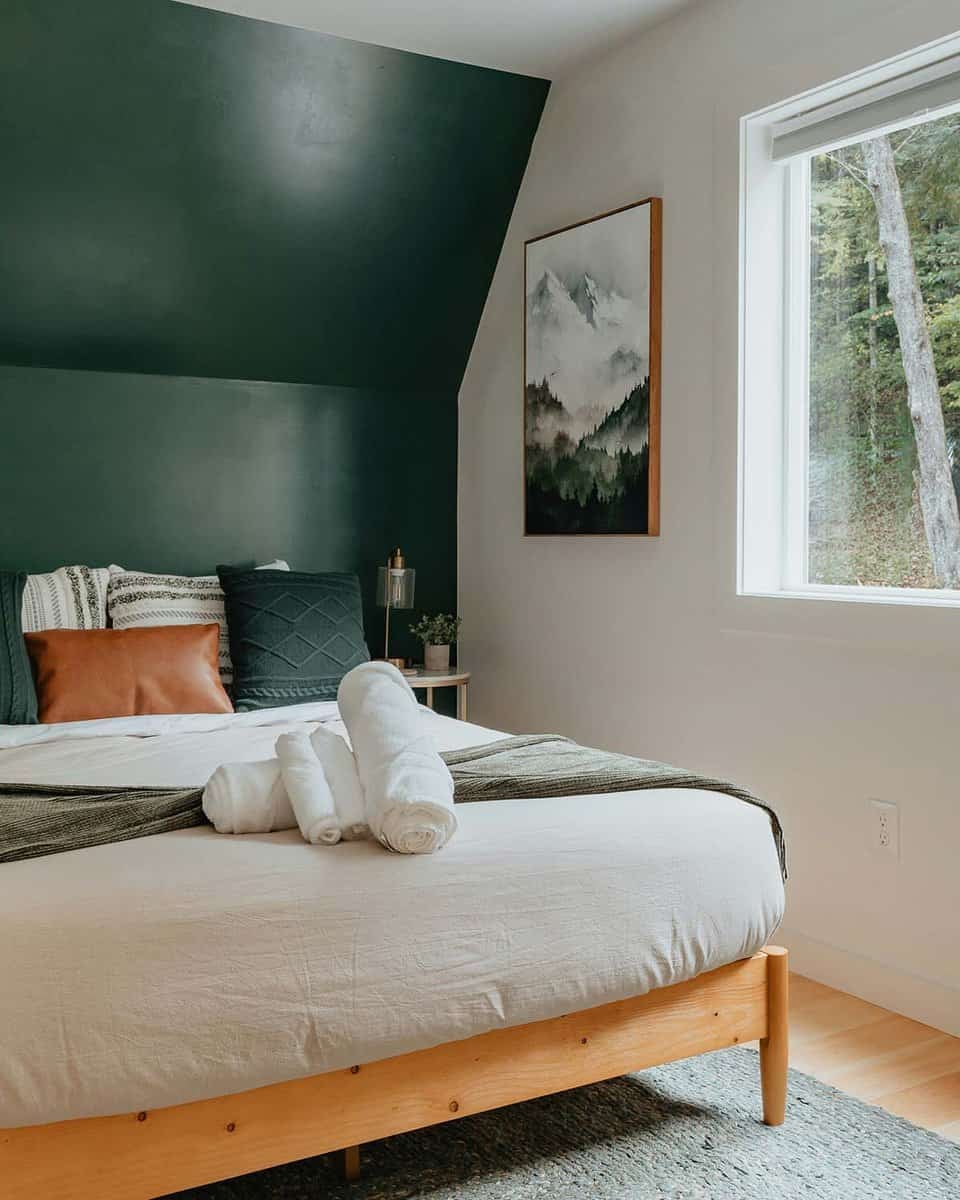
Interior Wall Design

Picture of Sahar Khani

Sahar Khani

Writer / Contetn Creator

Struggling to make your living room walls feel stylish, cohesive, and truly “you”? You’re not alone—many homeowners want a space that reflects their taste but aren’t sure where to start with interior wall design.

If you’re looking to upgrade your interior design living room wall, but feel overwhelmed by endless choices, this guide is for you.

As a trusted voice in interior design, we understand the impact the right wall treatments can have. From bold black walls interior design trends to timeless stone wall interior design ideas, we’ve curated expert tips to simplify your decisions.

Here’s what we’ll cover:

  • Top interior design wall decor ideas to refresh your space
  • How to use color and texture for instant transformation
  • Stylish ways to balance creativity with comfort

Keep reading to uncover practical steps that turn blank walls into beautiful statements—your dream living room starts now.

Foundations of Interior Wall Design

Photo by achraf borkadi

Interior wall design relies on a careful blend of visual appeal, material choice, and practical use. Harmony between aesthetics and function enhances spaces through elements like accent walls, framed prints, and strategic use of white space.

Clean lines and modern design principles often guide these decisions to create balanced and impactful environments.

Wall aesthetics focus on composition, color, texture, and focal points. A feature wall or accent wall stands out by using contrasting colors or materials to draw attention without overwhelming the room. White space around framed prints or art pieces emphasizes simplicity and clarity, avoiding clutter.

Balance is critical: elements must be arranged to create rhythm and unity. Clean lines and consistent color themes contribute to a modern look, enhancing the room’s flow. Avoid overcrowding walls, as negative space improves visual comfort and sophistication in interior wall design.

1. Selecting Suitable Materials

Photo by Pușcaș Adryan

Material choice affects both appearance and durability. Common options include paint, wallpaper, wood paneling, stone, and glass. Each brings unique textures and finishes that impact lighting and overall mood. For example, matte paint limits glare, while glass or glossy surfaces reflect light and add brightness.

Durability must match function: high-traffic areas benefit from washable paint or sturdy paneling. Stone or textured materials suit accent walls, providing depth and tactile interest. Selecting materials compatible with the room’s style ensures cohesion, particularly when aiming for clean lines and a modern aesthetic.

2. Balancing Functionality and Style

Video by Caroline Winkler

Effective wall design balances practical needs with visual impact. Walls should withstand daily use while supporting decorative elements like framed prints or shelves. Proper installation and maintenance guarantee longevity, especially in kitchens and bathrooms where moisture is a factor.

Function also involves acoustics and lighting; textured walls can soften sound, while lighter colors improve brightness. Combining functionality with style supports the creation of modern interiors where walls serve multiple purposes without sacrificing elegance or room flow.

See Also Modern French Interior Design

Popular Interior Wall Finishes

Image by ShakibaArt from Pixabay

Interior wall finishes play a key role in defining a room’s character. They influence the sense of space, interact with light, and complement other design elements like flooring and ceiling details. A well-chosen finish can frame the entire room and create an inviting image for guests.

3. Paint and Color Techniques

Photo by Pixabay

Paint remains the most flexible wall finish, offering endless options in color, finish, and technique. Matte, satin, and gloss finishes each affect how light reflects, influencing a room’s mood and perceived size. Accent walls in bold or contrasting hues are popular for adding depth without overwhelming the space.

Advanced paint techniques, such as sponging, rag rolling, or ombre effects, create texture and visual interest without structural changes. Using lighter colors can make a room feel larger, while darker tones foster intimacy. Choosing colors that complement existing floor and door tones is a practical way to unify decor.

4. Wallpaper and Wallcoverings

Photo by Mina Rad on Unsplash

Wallpaper offers strong stylistic statements and can transform a room with patterns, textures, or metallic sheens. Modern wallcoverings range from classic floral prints to geometric or abstract designs, allowing for tailored styles in file or digital formats for custom printing.

Besides aesthetic appeal, wallpapers can enhance sound insulation and hide minor wall imperfections. Vinyl and fabric options provide durable finishes suited for high-traffic rooms. Installing wallpaper around corners and doors requires precision to maintain pattern alignment and avoid mismatched seams.

5. Textured Plaster and Paneling

Photo by Anna Sullivan on Unsplash

Textured plaster adds subtle or pronounced relief to walls, creating tactile surfaces that capture light and shadow interplay. Techniques include Venetian plaster, stucco, or sand finishes, each lending a distinct classic or modern character.

Wall paneling combines functionality and style, often used to frame spaces or protect lower wall areas. Materials include wood, MDF, or stone panels, which can be arranged in vertical, horizontal, or geometric shapes.

Paneling can define corners and accentuate structure within a room, balancing heavy textures with smoother surfaces. This finish works well in creating a refined, layered image without overwhelming decor simplicity.

See Also Pattern In Interior Design

Innovative Wall Design Solutions

Photo by Wilcle Nunes

Walls can serve both practical functions and as key elements to enhance a room’s personality. By choosing designs that break monotony and add texture or focus, spaces are transformed visually and functionally. Experimenting with layers, colors, and materials helps make walls that serve more than just a structural purpose.

Feature walls create an intentional focal point by using contrasting colors, textures, or materials. Popular choices include textured PVC panels, wood cladding, or exposed brick to add depth and form. These walls serve to tie a room’s elements together visually, emphasizing beauty and personality.

Shelves integrated into the feature wall add both display function and design interest. This breaks up large, flat surfaces and enhances natural light flow when placed near windows. A feature wall often pops by covering one wall completely, highlighting it as the room’s centerpiece.

6. Creative Use of Wall Art

Photo by Ahmed Khaled

Wall art introduces dimension and personal character while enhancing color schemes and spatial flow. Large-scale paintings or sculptural pieces can serve as the primary visual focus or complement other elements in the room. Art can be arranged in clusters or grids to create rhythm and texture.

Using mixed media, such as combining framed photos with three-dimensional objects or mirrors, can add a tactile element. This layered approach allows walls to display more than just pictures but a curated expression of style. Placement near light sources increases the impact and makes art components stand out.

Lighting integrated into wall design transforms both atmosphere and visibility, highlighting textures and key features. Recessed LED strips or sconces enhance wall surfaces by casting shadows or emphasizing artwork and shelves. Lighting can break flatness by creating contrast and focus.

Smart placement around windows, corners, or niche areas lends function and architectural interest. Adjustable lighting options allow for control over the mood and highlight specific elements when desired. This strategy not only boosts aesthetic appeal but also provides practical illumination.

Practical Considerations for Interior Walls

Video by Nick Lewis

Choosing the right interior wall design requires attention to factors like longevity, ease of upkeep, and controlling sound. These elements impact both the function and comfort of living spaces.

Interior walls should use materials that withstand wear and tear while allowing for easy cleaning. For high-traffic areas, drywall with a durable paint or washable wallcovering reduces the need for frequent repairs.

Moisture resistance is crucial in kitchens and bathrooms to prevent mold and deterioration. Cement board or moisture-resistant drywall paired with proper ventilation helps maintain wall integrity.

Regular maintenance like patching small holes and repainting every several years preserves the wall’s appearance. Selecting finishes that hide dirt or fingerprints also minimizes visible damage over time.

See Also Line In Interior Design

Interior Wall Design: A Recap

Interior wall design ideas are more than just decorative choices—they are essential to shaping the style, function, and mood of a space. By thoughtfully selecting interior design wall colors, incorporating diverse textures, and choosing materials that suit both purpose and aesthetics, walls can become powerful design elements.

The use of interior design wood walls adds warmth and depth, while carefully curated interior design wall art brings personality and vibrancy to any room.

Whether through accent walls, textured finishes, or integrated lighting, creative wall treatments elevate everyday interiors into visually compelling and highly functional environments.

FAQ

Article Rating
5.0/ 5.0
Based on 2 ratings
5 Star 100%
4 Star 0%
3 Star 0%
2 Star 0%
1 Star 0%
Your Impression
Rate Article

2 thoughts on “Interior Wall Design”

  1. brock14933941

    Thanks for sharing these practical tips! 很高兴看到这么实用的分享!如果也有马来西亚的朋友想找零本金、无押金的网络副业实操指南(中英双语版),欢迎参考我的主页。
    I really enjoyed reading this article. 写得很实在!最近我也整理了一份适合大马人的零成本网络副业免费手册,有兴趣的朋友可以看看。
    Thanks for putting this together, learned something new today.

  2. grantzelaya

    Very helpful information. 很高兴看到这么实用的分享!如果也有马来西亚的朋友想找零本金、无押金的网络副业实操指南(中英双语版),欢迎参考我的主页。
    Appreciate the detailed breakdown here! 写得很实在!最近我也整理了一份适合大马人的零成本网络副业免费手册,有兴趣的朋友可以看看。
    Thanks for putting this together, learned something new today.

Leave a Comment

Your email address will not be published. Required fields are marked *

Your Rating *

Recent Post

Bohemian Eclectic Interior Design

Does your home feel too structured, sterile, or just not you? If you’re craving a space full of personality, warmth, and soul, you’re not alone.

You dream of a home that reflects your creative spirit—a place where every detail feels personal and inviting. But pulling off a layered, artistic look without it feeling cluttered can be tricky.

That’s where we step in. With deep roots in bohemian eclectic interior design, we’ll guide you through the world of:

  • Boho style basics and beyond
  • Elements that define modern bohemian style
  • How to mix and match pieces in bohemian interiors
  • Creating balance in modern bohemian interior design

Keep reading to learn how to master the bohemian interior design style—and transform your space into a true reflection of your bohemian style and lifestyle.

A vibrant, soulful home is closer than you think.

Defining Bohemian Eclectic Interior Design

Video by HOUSEofGreen

Bohemian eclectic interior design blends diverse styles, textures, and influences into a thoughtfully balanced space. It has a relaxed yet intentional approach, mixing vintage and modern pieces alongside natural materials to create a unique, personal environment. The style focuses on individuality while maintaining harmony.

Bohemian style is defined by its intentional layering of contrasting elements. It combines vibrant colors, varied patterns, and an array of textures. Unlike pure boho style, which can be more freeform and spontaneous, this approach is methodically mismatched but cohesive.

Natural materials like wood, rattan, and woven textiles are common, grounding the look with organic warmth. Furniture and decor in boho interior design often include vintage furniture or globally inspired pieces, enhancing the eclectic charm interior design seeks to achieve.

The result is a space that feels curated rather than chaotic, emphasizing comfort and creativity.

1. Key Elements and Themes

Photo by Maria Orlova

Key elements include layered textiles such as rugs, throws, and cushions, often with ethnic or tribal prints. Plants also play a significant role, adding life and a connection to nature. Lighting tends to be warm and soft, supporting a cozy atmosphere.

Modern bohemian design favors furniture with clean lines contrasted by decorative accessories that feature intricate details. Using a combination of old and new items prevents the space from feeling overly styled or sterile.

Overall, boho decor in this style balances expressive artistry with functional harmony, inviting individuality within a structured framework.

Color and Pattern Strategies in Bohemian Eclectic Interior Design

Photo by Charlotte May

Bohemian eclectic interior design relies on intentional choices of color and pattern to create a warm and inviting atmosphere. It emphasizes layering textures and combining vibrant hues with natural elements to maintain balance and depth.

In modern bohemian design, mixing colors and textures is key to achieving a unique style. Rich, earthy tones like terracotta, mustard, and deep greens often form the base palette. These can be complemented by jewel tones such as sapphire or ruby to add vibrancy.

Texture is essential—materials like woven wool, rattan, and leather introduce tactile interest.

To avoid visual clutter, it’s effective to group similar textures together while contrasting them with smoother surfaces like lacquered wood or glass. This layering approach allows for a dynamic yet cohesive look. Many elements are sourced from vintage shops to enhance bohemian decor with character and authenticity.

2. Patterns and Prints Integration

Photo by Matheus Bertelli from Pexels

Bold patterns are a signature feature of boho interior design, drawing inspiration from global cultures. Integrating diverse prints such as tribal motifs, florals, and geometric shapes helps create an eclectic bohemian feel.

The key lies in mixing patterns of different scales, for instance, pairing a large-patterned rug with smaller, detailed cushions.

To create harmony, patterns often repeat color tones found elsewhere in the room. They thrive when combined with neutral backdrop walls or furniture, preventing the space from feeling overwhelming. This use of pattern layering is fundamental to inserting bohemian elements that express personality without sacrificing flow.

3. Balancing Vibrancy with Neutral Tones

Photo by Rachel Claire

While bohemian spaces frequently embrace bold colors and patterns, balancing them with neutral tones is crucial. Walls painted in soft beige, ivory, or muted gray provide a calm canvas that enhances the vibrancy of textiles and accessories. Minimalistic artwork and strategically placed furniture help ground the design.

Neutral tones soften the intensity of eclectic boho decor and allow natural elements like plants and wooden accents to stand out. This balance between colorful energy and understated grounding supports a warm and inviting atmosphere typical of bohemian aesthetic.

It also ensures longevity and ease of updating the interior design style over time.

See Also Eclectic Maximalist Interior Design

Furniture and Decor Selection in Bohemian Eclectic Interior Design

Photo by Jonathan Borba

Selecting furniture and decor for a bohemian eclectic interior involves balancing varied styles, textures, and colors to create an inviting space. It emphasizes mixing natural and artistic elements that reflect personal style while maintaining harmony through thoughtful layering and carefully chosen accents.

Eclectic furniture often blends natural elements like wood and rattan with bold materials. Pieces should feel unique yet cohesive, incorporating essential elements such as earthy tones and rich jewel tones to build warmth. Combining floor cushions with low-profile sofas adds comfort and an inviting atmosphere.

Key furniture styles include mid-century modern chairs paired with vintage wooden tables. Mixing hard textures with soft fabrics featuring vibrant patterns enhances the eclectic aesthetic. Prioritizing pieces that offer both function and artistic flair supports the relaxed, personalized nature of boho spaces.

4. Layering with Vintage and Modern

Photo by Tamilles Esposito

Layering involves combining vintage and modern items to enrich visual interest without clutter. A weathered leather armchair might sit alongside a sleek metal light fixture, connecting past and present through form and texture.

Textiles such as throws, rugs, and pillows with colorful, intricate patterns provide warmth and depth. Earthy and jewel tones work well together here, grounding the space while allowing for pops of brightness. Thoughtful layering creates nuanced spaces that invite calmness and express individuality.

5. Artwork and Decorative Accessories

Photo by Rachel Claire

Artwork and accessories finalize the eclectic boho look by injecting personality and character. Handcrafted wall hangings, woven baskets, and ethnic prints enhance the bohemian vibe, while abstract paintings add modern contrast.

Decorative accents should highlight natural materials like clay, wood, and woven fibers, supporting a tactile connection to the environment. Colorful throw pillows and unique trinkets provide variety, blending texture and pattern to maintain the eclectic nature of the room while celebrating personal style.

Finishing Touches and Styling Tips

Video by The Design Lounge

To complete a Bohemian Eclectic interior, layering textures and patterns is essential. Adding brightly colored throws, pillows, and wall hangings creates a rich, relaxed atmosphere. These essential elements often feature bold prints or ethnic motifs that contribute to the overall aesthetic.

Using one-of-a-kind accessories, such as vintage finds or handcrafted items, enhances the space’s personality. It is effective to combine furniture styles from different eras and cultures to keep the look unique and inviting. Mixing metals, wood, and textiles adds depth and visual interest.

Plants are vital in Bohemian Eclectic design. They bring natural warmth and softness that balance the vibrant patterns and colors. Varieties like ferns, succulents, and trailing plants work well in this style.

See Also Living Room Interior Design Trends 2025

Bohemian Eclectic Interior Design: A Recap

In conclusion, embracing bohemian interior design allows you to create a home that’s both expressive and deeply personal. Whether you’re drawn to the carefree charm of boho style or the refined touch of modern bohemian style, the key is to blend textures, colors, and meaningful pieces with intention.

By following the principles of modern bohemian interior design, you can design a space that feels warm, layered, and uniquely yours. From cozy textiles to eclectic vintage finds, bohemian interiors offer endless ways to reflect your individuality. Let the bohemian interior design style guide your creativity—and step confidently into a home that celebrates your true bohemian style.

FAQ

Dark Academia Bedroom Interior Design

Struggling to turn your bedroom into a cozy, inspiring retreat? You’re not alone—many seek a space that reflects both their intellectual depth and personal style, but don’t know anything about dark academia bedroom interior design.

If you’ve ever dreamed of a room that feels like a page from a classic novel—moody, elegant, and timeless—you’re the hero we’re talking to.

With years of experience in interior design and a passion for vintage-inspired spaces, we’re here to guide you through the transformation.

In this article, you’ll discover how to create a Dark Academia bedroom by focusing on:

  • Signature color palettes
  • Essential furniture selections
  • Textile and lighting choices
  • Curated decor and artwork

Keep reading to unlock the secrets to designing a space that inspires reflection, creativity, and calm.

By the end, you’ll have a bedroom that’s not just beautiful—it’s a sanctuary for your mind, soul, and aesthetic sensibilities.

Key Elements of Dark Academia Interior Bedroom Design

Video by Steffi | Moda Misfit

A Dark Academia bedroom focuses on carefully chosen colors, furniture, and textiles that evoke a scholarly, vintage atmosphere. These elements create a cozy, intellectual environment through specific shades, classic shapes, and textured fabrics.

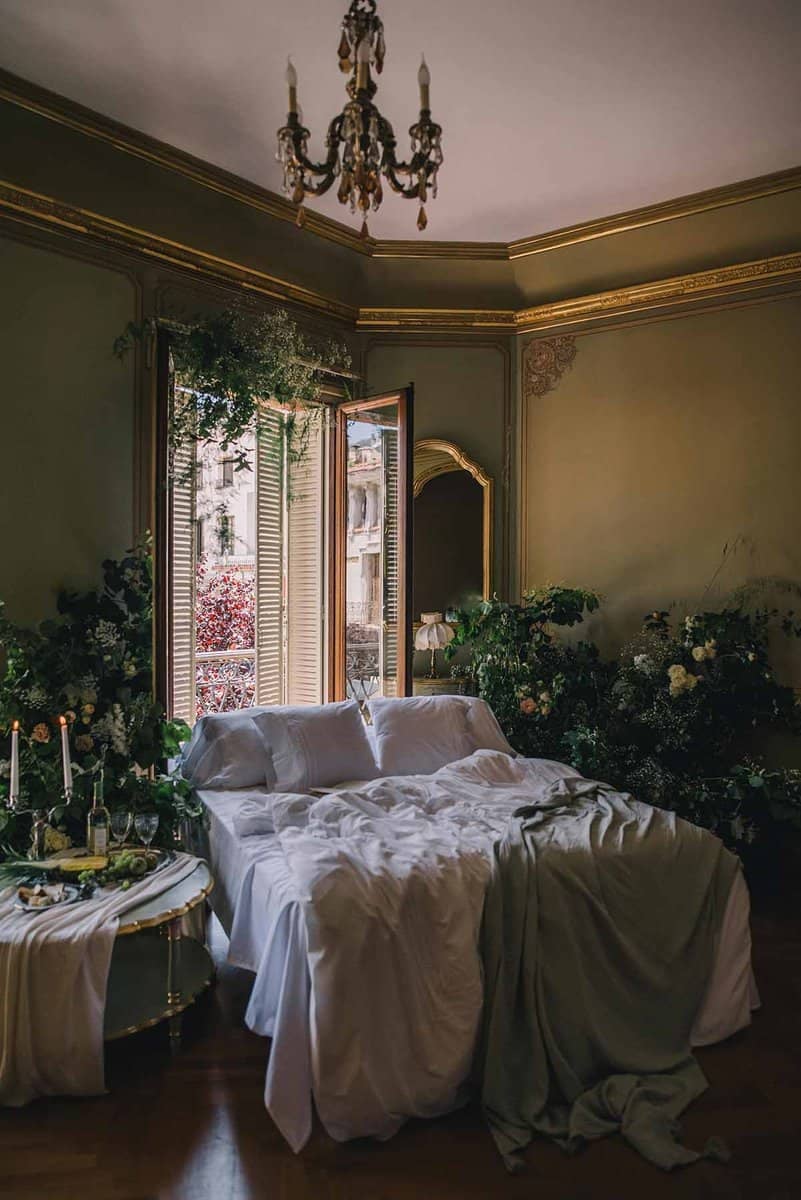
Dark Academia color schemes center on muted, deep tones with a vintage feel. Common colors include deep burgundy, forest green, navy blue, and rich browns. These are often paired with accents of cream or beige to soften the look without sacrificing warmth.

Muted gold or brass tones can be used in decor or fixtures to add subtle elegance. Walls might feature wallpaper with intricate patterns or dark wood paneling to enhance the academic vibe. Using these colors thoughtfully across walls, furniture, and accessories ties the room together under the dark academia aesthetic.

1. Essential Furniture Selection

Photo by Max Vakhtbovycn

Furniture in a Dark Academia bedroom emphasizes timeless, classic styles with a scholarly feel. Pieces made of dark-stained wood dominate, such as vintage desks, bookcases, and bed frames.

A sturdy wooden desk with drawers provides a workspace that fits the intellectual theme. A high-backed armchair or tufted leather chair complements reading areas. Furniture tones remain muted, matching the color palette to maintain unity.

Avoid modern or minimalistic styles; instead, opt for ornate detailing like carved legs or brass pulls that reflect an old-world charm. Well-chosen furniture anchors the room in the dark academia aesthetic and encourages both study and relaxation.

2. Textile and Fabric Choices

Photo by Pușcaș Adryan

Textiles add depth and tactile interest. Heavy fabrics such as velvet, tweed, or wool are preferred, often in dark or earthy tones consistent with the room palette. Velvet cushions, plaid throws, or wool blankets create a warm, textured feel.

Window treatments like thick curtains or drapes in deep colors help block light and add to the cozy ambiance. Rugs in oriental or Persian-inspired patterns reinforce the vintage scholarly mood while softening floors.

Bedding should be layered with neutral sheets, dark duvet covers, and patterned blankets, balancing comfort and style. These fabric choices are essential to completing the Dark Academia bedroom decor for a lived-in, intellectual space.

See Also Interior Wall Design

Choosing Lighting for a Dark Academia Atmosphere

Photo by Clay Banks on Unsplash

Lighting defines the mood and enhances the dark academia style in a bedroom. Soft, warm tones, carefully placed fixtures, and antique-inspired details create an inviting yet mysterious environment. Effective lighting combines subtle ambient sources with focused accents and vintage pieces for authenticity.

Ambient lighting should provide a gentle, diffused glow that complements the dark color palette. Overhead bright lights are avoided to maintain the dark academia vibes. Instead, floor lamps or table lamps with warm-toned bulbs create cozy illumination.

Using lampshades in deep green, brown, or bronze hues further softens the light. Dimmer switches allow control over brightness, enabling the room to shift from practical to moody. Warm whites around 2700K replicate candlelight’s softness without harshness.

This type of lighting serves as the focal point for a dark academia space, balancing shadow and light to highlight dark decor like rich wood furniture or velvet drapes.

3. Accent and Task Lighting

Photo by Max Vakhtbovycn

Accent lighting enhances specific items that contribute to the academia bedroom’s intellectual feel, such as antique book collections or vintage globes. Wall sconces with ornate designs in brass or bronze can frame key areas, creating subtle focal points.

For task lighting, classic desk lamps with adjustable arms help maintain functionality without compromising the dark aesthetic. These lamps often feature fabrics or metals that blend into the room’s palette.

Layering task and accent lighting ensures practicality during reading or studying while reinforcing the moody atmosphere. It invites both relaxation and focus in an academia-inspired setup.

Lighting fixtures rooted in historical or classical styles strengthen the authenticity of a dark academia bedroom. Chandeliers with candle-like bulbs or aged metals add a refined and scholarly touch.

Brass, bronze, and wrought iron finishes are common materials that connect to the era dark academia references. These fixtures often show intricate craftsmanship, making them decorative centerpieces within the room.

Including items like antique table lamps, wall sconces, or even replicated typewriter light stands aligns the lighting scheme with the overall dark decor theme. These elements emphasize the academic and vintage spirit central to dark academia design.

Curating Decor and Artwork in Dark Academia Bedroom Interior Design

Video by Decorants

Creating a dark academia bedroom involves carefully selecting pieces that underline the aesthetic’s moody elegance and intellectual vibe. Attention to literary elements, artwork with gothic or classic flair, and antique objects brings texture and depth to the space while maintaining a cohesive color palette.

Classic literature is a core element, best represented by well-worn books displayed on wooden shelves or stacked on a vintage desk. Leather-bound volumes with gold embossing add authenticity and visual interest.

Accessories like brass bookends, quill pens, and old-fashioned writing tools reinforce the academic atmosphere.

Incorporating items such as globes, vintage typewriters, or scientific models enhances the feeling of scholarly pursuits. A chaise lounge near a window with natural light invites reading and reflection. The color palette here leans toward deep purples, navy blue, and earth tones that complement moody wood furniture.

4. Gallery Walls and Art Selection

Photo by Minh Phuc

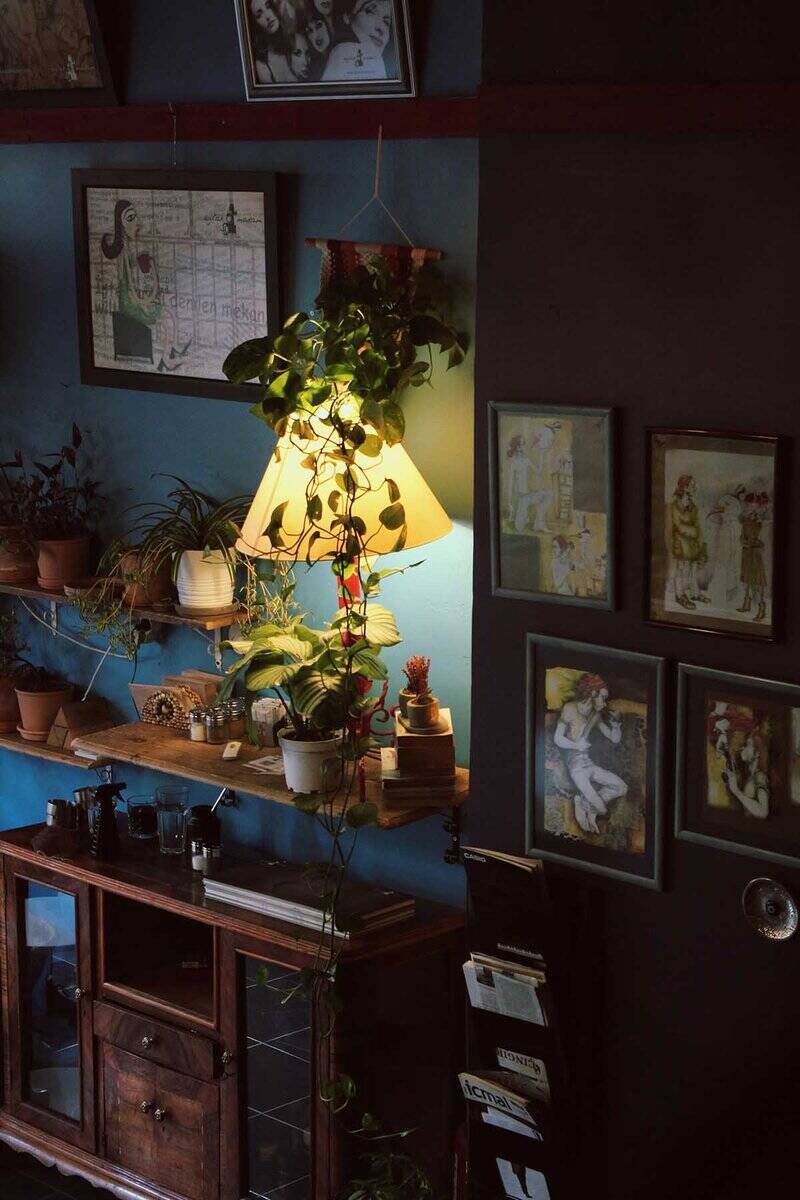
Artwork should reflect gothic architecture, classic themes, or dark moody aesthetics. Wooden frames in black or walnut tones work best to frame portraits of historical figures, antique maps, or vintage botanical prints. Arranging art in a structured gallery wall adds focus and sophistication.

Using deep accent wall colors, such as navy blue or muted burgundy, behind the gallery heightens drama without overpowering natural light or fairy lights. This method balances the room’s darkness, prevents a closed-in feel, and enhances cozy elegance.

Personal touches such as handwritten notes or small framed quotes lend character.

5. Incorporating Antique Objects

Photo by Clay Banks on Unsplash

Antique objects are key elements for authenticity and texture. Items like brass candlesticks, ornate mirrors, old clocks, and vintage desk lamps enrich the moody aesthetic. Wooden furniture, particularly pieces with carved details or worn patinas, anchors the room with classic warmth.

Placing these objects strategically on shelves, desks, or side tables maintains balance and prevents clutter. Combining dark metals with rich wood tones supports the deep, somber palette. These touches complement both the intellectual theme and subtle gothic influences often found in dark academia interiors.

See Also 1930s Interior Design

Dark Academia Bedroom Interior Design: A Recap

Designing a Dark Academia bedroom is about more than just aesthetics—it’s about crafting a space that evokes depth, intellect, and a timeless sense of calm. By combining rich color palettes, vintage furnishings, tactile fabrics, and moody lighting, this style offers a unique environment where scholarly charm meets cozy retreat.

Every element, from antique decor to layered textiles, works together to create a personal haven that feels both inspiring and restorative. Whether you’re reading classic literature, writing by candlelight, or simply unwinding in a warm, contemplative atmosphere, a Dark Academia bedroom invites you to slow down and savor the art of thoughtful living.

FAQ

Spanish Colonial Interior Design

Dreaming of a home that feels both timeless and warm—but not sure how to get there? You’re not alone. Many homeowners crave a space that reflects both history and comfort without sacrificing style.

If you’ve ever felt overwhelmed by soulless, modern trends, this guide is for you. You’re the kind of person who values character, tradition, and authenticity.

We’re here to help. With a deep understanding of design heritage and modern lifestyle needs, we’ll guide you through creating a space inspired by Spanish Colonial style interior design.

Here’s the plan:

  • Explore the roots of Spanish Colonial design
  • Identify key elements like texture, color, and materials
  • Learn how to blend old-world charm with modern living

Keep reading to discover how modern Spanish Colonial interior design can transform your home into a rich, welcoming sanctuary.

By the end, you’ll have a clear vision and actionable tips to create a home full of history, warmth, and timeless beauty.

Defining Features of Spanish Colonial Interior Design


Video by HOME DECOR 101

Spanish Colonial interior design centers on natural materials, warm colors, and distinctive architectural details. It balances historic craftsmanship with functional elements to create spaces that feel both inviting and timeless.

Emphasis on texture, light, and structural form shapes the look found in traditional Spanish colonial homes and modern Spanish style adaptations.

Spanish Colonial style originated in the 16th century with Spanish settlers in the Americas. It draws heavily from Mediterranean and Moorish design, blending Spanish craftsmanship with indigenous materials. This heritage is evident in the use of hand-painted tiles, wrought iron, and carved woodwork.

The influence extends to iconic regions like Santa Barbara, where Spanish Colonial architecture shaped local design identity. These origins inform the style’s emphasis on detailed woodworking, terracotta flooring, and ornamental ironwork, all key elements in authentic Spanish style homes.

1. Color Palettes and Materials

Photo by Emre Gencer

Color palettes in Spanish Colonial interiors favor warm, earthy tones like terracotta, ochre, and deep reds. White or off-white stucco walls serve as neutral backdrops, enhancing the warmth of these colors. Dark wood, often in exposed beams and heavy furniture, contrasts with lighter walls to add depth.

Materials are natural and tactile, including terra-cotta tile floors, plastered walls, and iron accents. Textured fabrics like wool or leather complement the rustic feel. This material selection supports the style’s focus on durability and handcrafted detail.

2. Architectural Elements

Photo by Warren LeMay

Architecturally, Spanish Colonial interiors showcase soft arches, vaulted ceilings, and thick stucco walls. Arches frame doorways and windows, lending softness and elegance. Columns, often simple and robust, provide structural and decorative function.

Key design elements include carved wooden doors, wrought iron light fixtures, and built-in niches or alcoves. Courtyards or patios often integrate with interior space through large, arched openings. These features combine to create a harmonious blend of indoor and outdoor living found in Spanish Colonial architecture.

See Also Eclectic Maximalist Interior Design

Signature Furnishings and Décor in Spanish Colonial Interior Design

Photo by Goodlot Dupwa

Spanish Colonial interior design features a thoughtful mix of materials and styles that create a warm and inviting atmosphere. It balances vintage elements with functional pieces, highlighting natural textures and traditional craftsmanship.

Furniture in Spanish Colonial interiors often showcases solid wood, especially dark-stained hardwoods like walnut or mahogany. Pieces tend to be robust and hand-carved, with simple lines combined with ornate details.

Common types include heavy wooden beds with turned posts, carved armoires, and leather-upholstered chairs. Wrought iron is frequently used in furniture accents such as bed frames and tables, adding strength and decorative interest.

The style embraces vintage and handcrafted looks but adapts well to modern interpretations by focusing on clean forms enhanced with traditional finishes. This approach supports both a historical connection and contemporary living needs.

3. Textiles and Patterns

Photo by Warren LeMay

Textiles play a significant role in Spanish Colonial interiors, contributing color and texture. Upholstery and window treatments often feature woven fabrics with geometric or floral patterns inspired by Mediterranean and Moorish designs.

Warm, earthy tones like terracotta, ochre, and deep reds dominate. Handwoven textiles, such as wool rugs and embroidered cushions, provide a tactile contrast to the hard surfaces of wood and stone.

Patterns rarely overwhelm the space; instead, they create visual interest through subtle repetition. Natural fibers are preferred due to their durability and the authentic feel they bring to the room.

4. Decorative Accents and Accessories

Photo by Joel Zar

Decorative accents emphasize craftsmanship and natural materials. Wrought iron pieces—such as chandeliers, wall sconces, and decorative grilles—are signature elements that add detail without appearing harsh.

Pottery and ceramics with handcrafted glazes often serve as table centerpieces or shelf decor. Terra cotta and glazed tiles contribute to the architectural aesthetic, often visible on floors or around fireplaces.

Accessories tend to be functional yet ornamental, like carved wooden chests and vintage mirrors with distressed finishes. These items echo the Spanish style’s blend of utility and artistry, reinforcing the welcoming environment typical of this design style.

Modern Interpretations in Spanish Colonial Interior Design

Video by House Envy | The Styled Abode

Modern Spanish Colonial interior design merges classic elements with updated aesthetics to create spaces that feel both authentic and fresh. This approach focuses on key architectural details and materials while adapting color palettes and layout to suit contemporary lifestyles.

Modern interpretations highlight features like plaster walls, wooden beams, and wrought iron accents as main focal points. These traditional elements are balanced with a neutral backdrop or a minimalist color palette to avoid overwhelming the space. For example, a living room might feature exposed wooden beams paired with simple, light-colored walls to emphasize texture without clutter.

Using patterned tiles in focused areas like kitchen backsplashes or entryways brings vibrant detail without dominating the room.

In regions like Southern California, where the style is popular, designers often marry indoor and outdoor living spaces to enhance the authentic feel. The result retains the historic charm while offering clean lines and open layouts typical of modern homes.

To adopt Spanish Colonial style, homeowners should start by emphasizing architectural features such as wrought iron light fixtures or ceiling fans and bold wooden furniture. Walls in soft plaster tones create a warm, textured base that contrasts well with bright, patterned tile accents.

A neutral color palette with earth tones—like terracotta, beige, and soft whites—keeps the space grounded. To avoid clutter, a minimalist approach to decor helps preserve the style’s elegance. Focus on key pieces like a carved wooden table or an ornate iron chandelier for visual interest.

See Also Chinese Interior Design

Spanish Colonial Interior Design: A Recap

Spanish Colonial interior design continues to captivate with its timeless blend of rustic elegance and historical charm. Rooted in centuries-old traditions, this design ethos remains relevant today through its seamless integration of natural materials, warm tones, and handcrafted details.

What sets modern Spanish Colonial interior design apart is its ability to honor these classic features while embracing contemporary sensibilities—creating spaces that feel both grounded and sophisticated.

Whether you’re drawn to its signature arches and textured walls or inspired by the rich patterns and vintage furnishings, Spanish Colonial style interior design offers a versatile and welcoming aesthetic.

FAQ

WhatsApp

Free Consultation

Call

+1-(646)933-7997

Scroll to Top