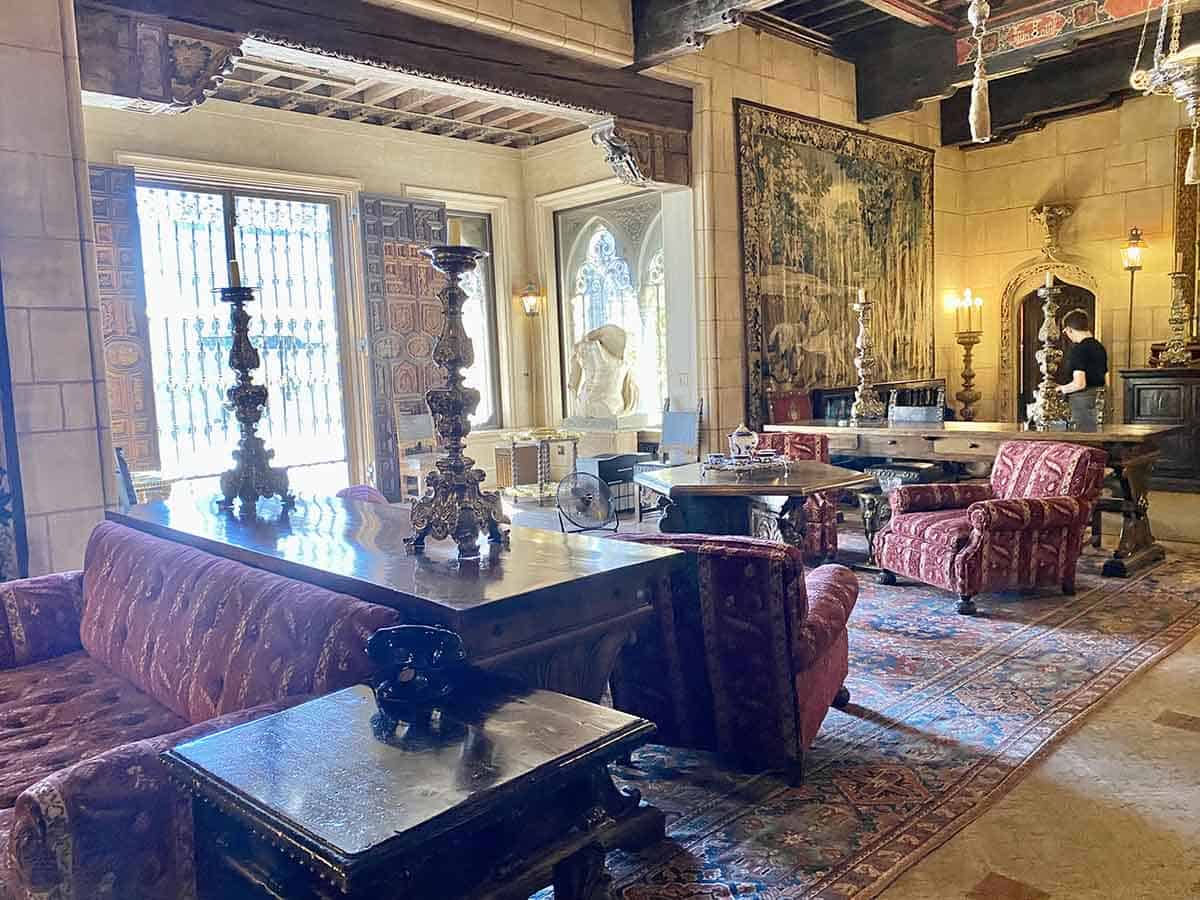
Modern French Interior Design

Picture of Sahar Khani

Sahar Khani

Writer / Contetn Creator

Craving a home that feels both timeless and effortlessly modern? You’re not alone. Many design lovers dream of a space that reflects classic charm without sacrificing contemporary comfort.

You’re the hero of this journey — and we get your vision.

We’re your design-savvy guide, here to walk you through the essentials of modern French interior design.

With expert insights and actionable tips, we’ll show you how to:

  • Blend old-world sophistication with clean, modern lines
  • Choose timeless materials and subtle color palettes
  • Create rooms that feel open, inviting, and uniquely you

Keep reading to discover how to bring the effortless beauty of modern French living into your own space — and transform your home into a haven of style and serenity.
Paris, Frankreich, Photo by reisetopia on Unsplash

Photo by Jennifer Yung on Unsplash

Photo by Bruce Clark

Mirror in Wardrobe, Photo by Max Vakhtbovycn

1. Core Elements of Modern French Interior Design

Photo by Stephen Leonardi

Modern French interior design blends traditional charm with contemporary refinement. It emphasizes a balanced color palette, carefully chosen furnishings, and a seamless combination of historical details with modern accents. Each element works together to create interiors that feel elegant, functional, and inviting.

See also Renaissance Interior Design

Color Palettes and Materials
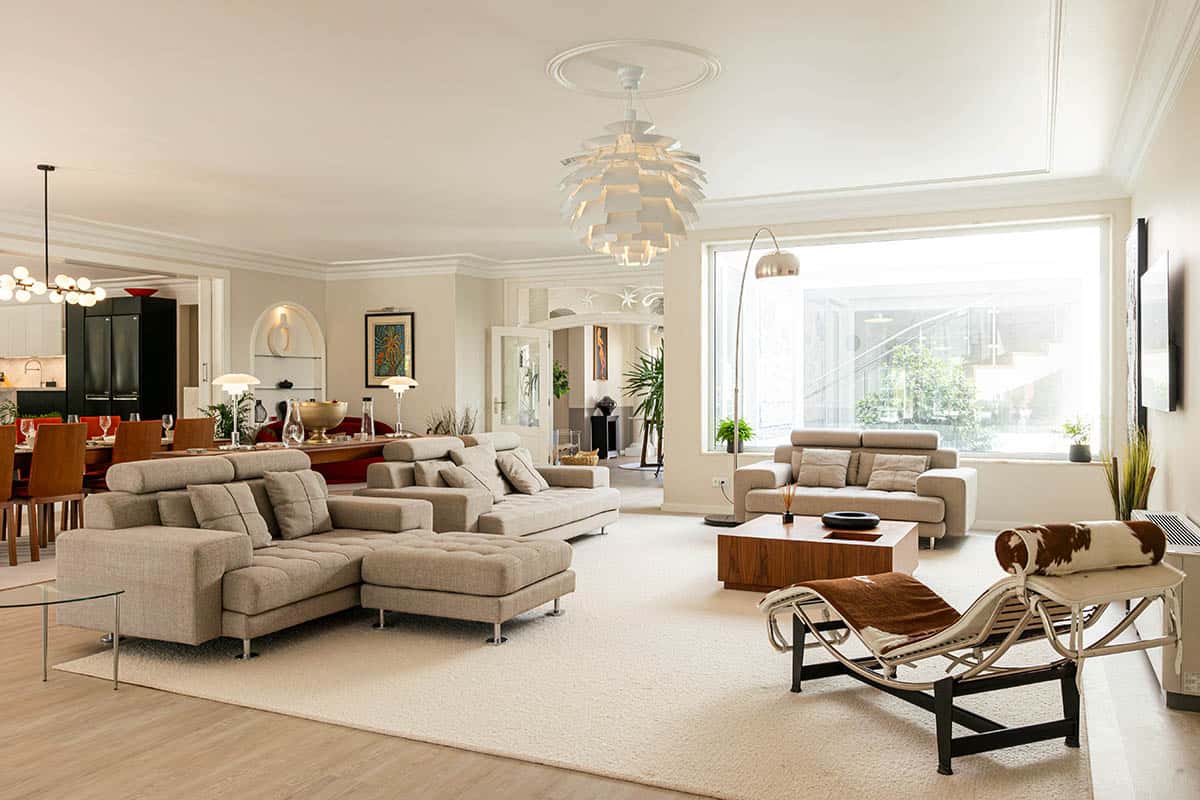
Photo by Luis Redondo on Unsplash

The color palette in modern French interiors favors soft, neutral tones like ivory, beige, pale gray, and subtle pastels. These colors provide a calm, sophisticated backdrop that highlights architectural details and furnishings. Accents often include deep blues, muted greens, or charcoal for contrast.

Natural materials define the look. Wood, particularly herringbone-patterned floors, and exposed wooden beams bring warmth and texture. Stone and marble surfaces are common, adding a polished yet organic feel. Fabrics such as linen and velvet soften the space, blending tactile comfort with refined style.

Signature Furniture Styles
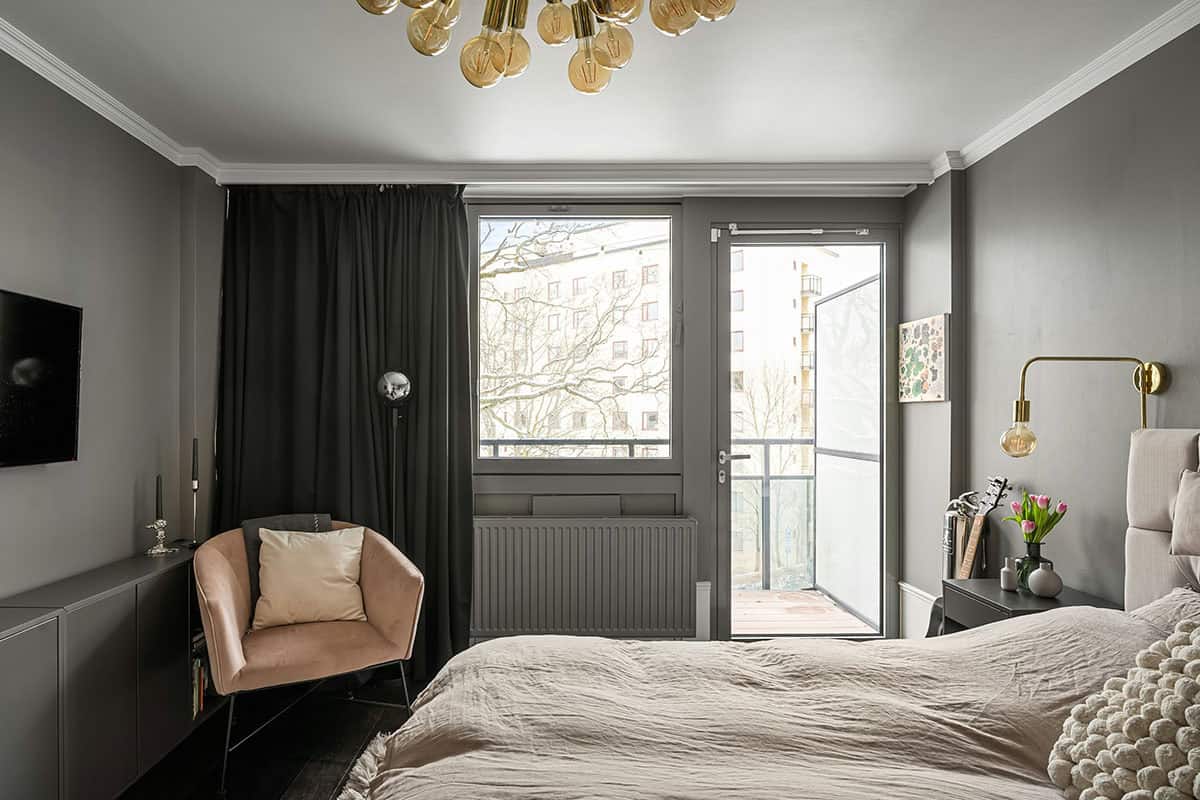
Photo by Bruce Clark

Photo by Alex Tyson on Unsplash

Furniture in modern French interiors combines practicality with understated elegance. Pieces often feature clean lines but retain classic silhouettes—curved backs, tapered legs, and carved details.

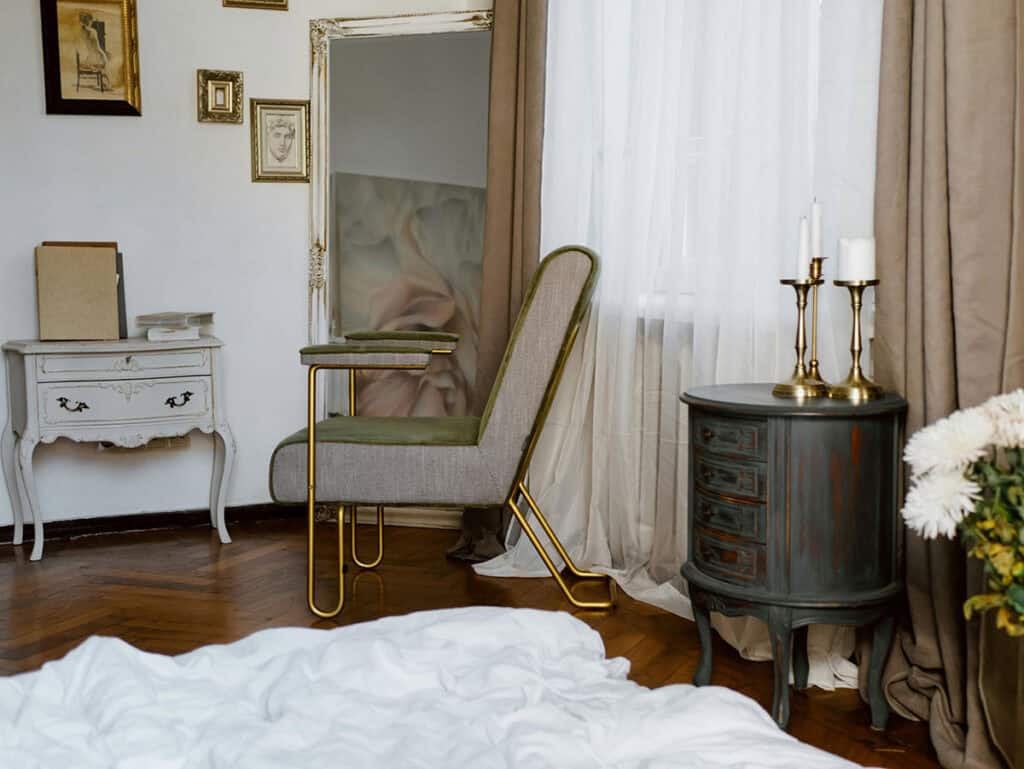
Velvet-upholstered chairs, tufted sofas, and slender dining tables are frequent choices. The focus is on quality materials like hardwoods and metals finished in brass or aged gold. This approach keeps rooms feeling both luxurious and livable, avoiding excessive ornamentation seen in purely traditional French country style.

Mixing Old and New
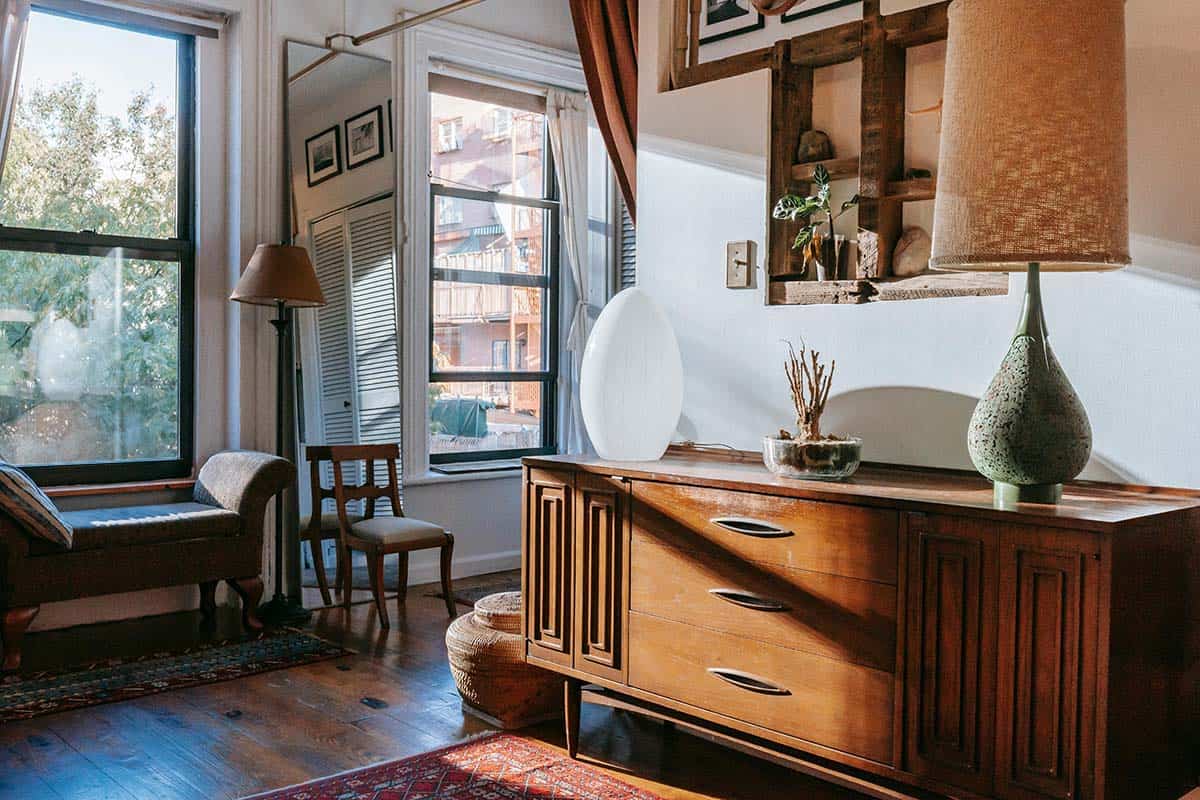
Photo by Charlotte May

Photo by Polina

A core principle is the blend of antique or vintage items with contemporary pieces. This fusion creates visual interest without compromising coherence.

For example, a Parisian apartment might feature exposed wooden beams alongside sleek, minimalist lighting fixtures. Architectural moldings or ornate mirrors contrast with modern art or metal accent tables. The integration highlights the timelessness of classic elements enhanced by fresh, functional design.

2. Architectural Features and Layout In French Interior Design

Photo by Jennifer Yung on Unsplash

The design of modern French interiors focuses on balancing classic architectural details with a contemporary twist. Emphasis is placed on clean lines, natural light, and thoughtful use of space.

Key elements include distinctive moldings, elegant flooring and ceiling choices, and strategic spatial arrangements that enhance both form and function.

Moldings and Wall Treatments
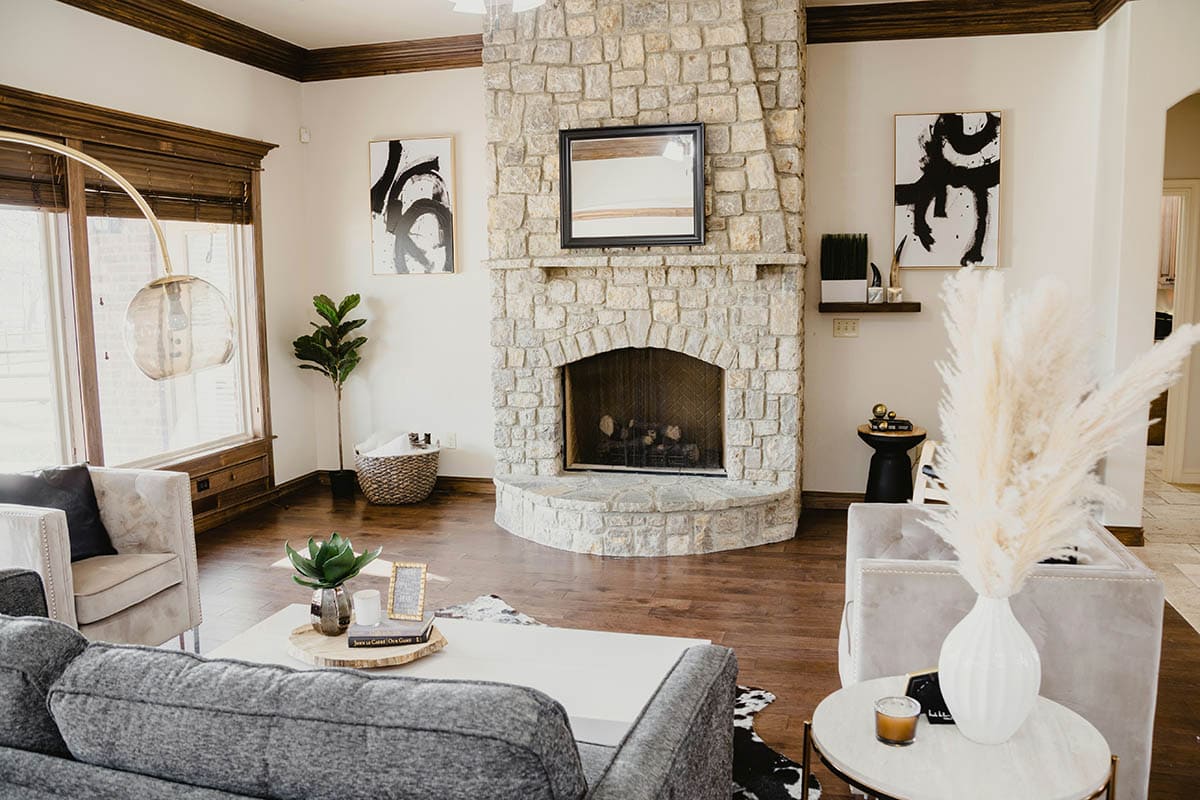
Photo by Isaac Martin on Unsplash

Moldings in modern French homes are often refined and minimal, moving away from overly ornate styles but retaining a sense of elegance. Baseboards and crown moldings are typically modest in size, painted in crisp white or soft neutrals to blend with white walls and the overall color palette.

Wall treatments may include subtle paneling or wainscoting, adding texture without overwhelming the room. This creates an understated backdrop that complements bold, modern pieces and artistic accents.

In some cases, a marble fireplace serves as a focal point with intricate but restrained detailing around it, combining tradition with modern simplicity.

Flooring and Ceilings
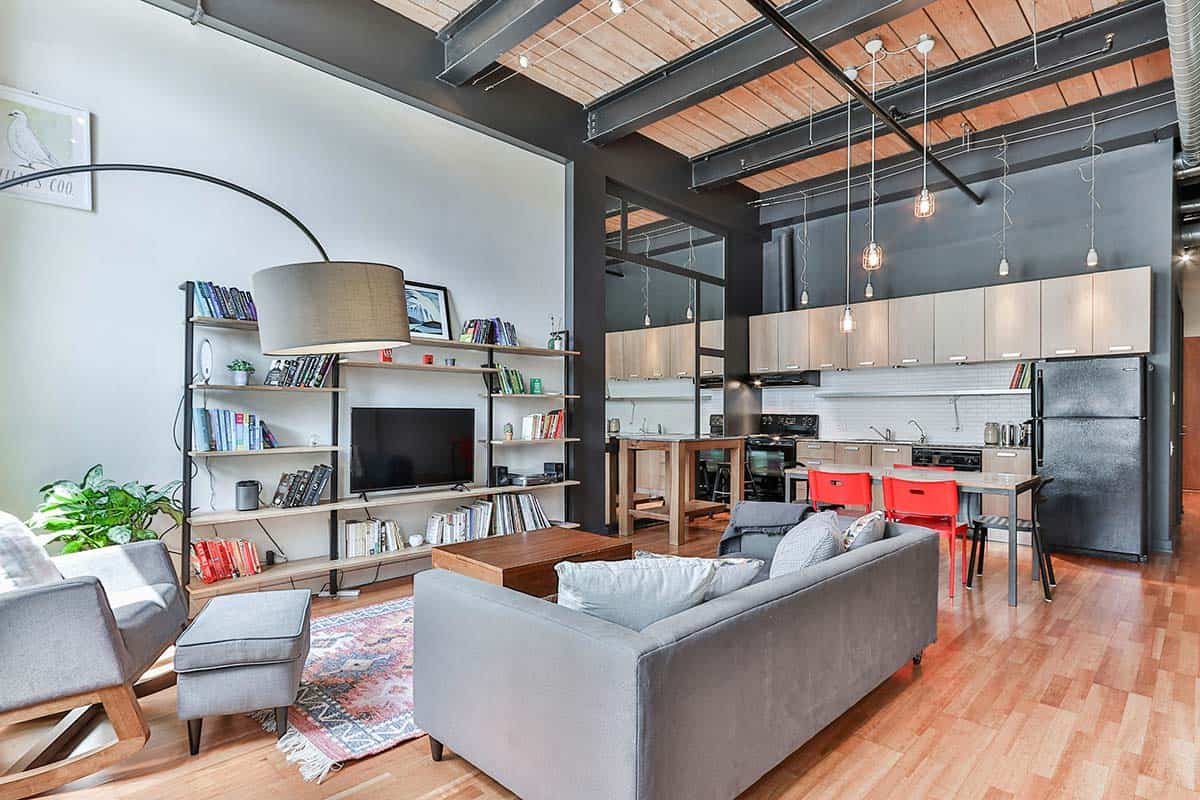
Photo by Lotus Design N Print on Unsplash

Herringbone wood floors are a hallmark of modern French interiors, chosen for their classic pattern and natural warm tone. They contrast well with the light, neutral walls and add visual interest while maintaining a clean, cohesive look.

Ceilings often feature subtle architectural details such as exposed beams or delicate crown moldings. These elements provide depth without clutter, supporting the airy, open feel typical of this style.

Materials like stone or marble may be incorporated in fireplaces or accent areas to introduce a natural elegance consistent with the color palette.

Spatial Arrangements
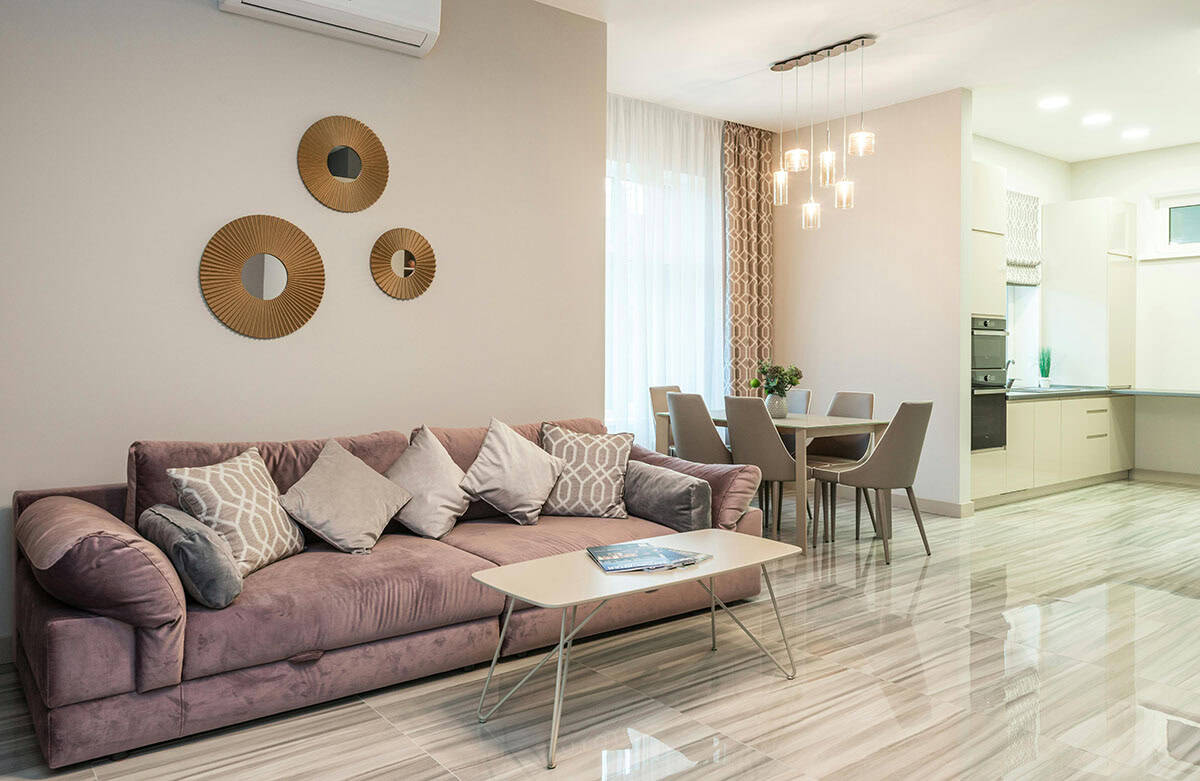
Photo by Max Vakhtbovycn

Creating spaces in modern French homes involves an open-plan layout that maximizes natural light and encourages flow between rooms. Areas are designed for ease of movement and functionality, with furniture placement emphasizing balance and subtle sophistication.

Rooms are often organized around a key feature, such as a marble fireplace or a statement architectural detail. Clean lines and uncluttered surfaces define the spatial layout, allowing modern pieces to stand out while harmonizing with traditional elements.

This thoughtful approach supports both comfort and aesthetic appeal in the contemporary French home.

See also Famous Architecture in France

3. Decorative Accents and Accessories In Modern French Design

Video by Suzie Anderson Home

Decorative accents in modern French interiors balance elegance with contemporary simplicity. These elements use materials like brass, marble, and luxurious textiles to enhance the natural light and architectural features typical of this style.

The right accessories can transform a space without overwhelming it, maintaining a refined yet accessible atmosphere.

Artwork and Mirrors
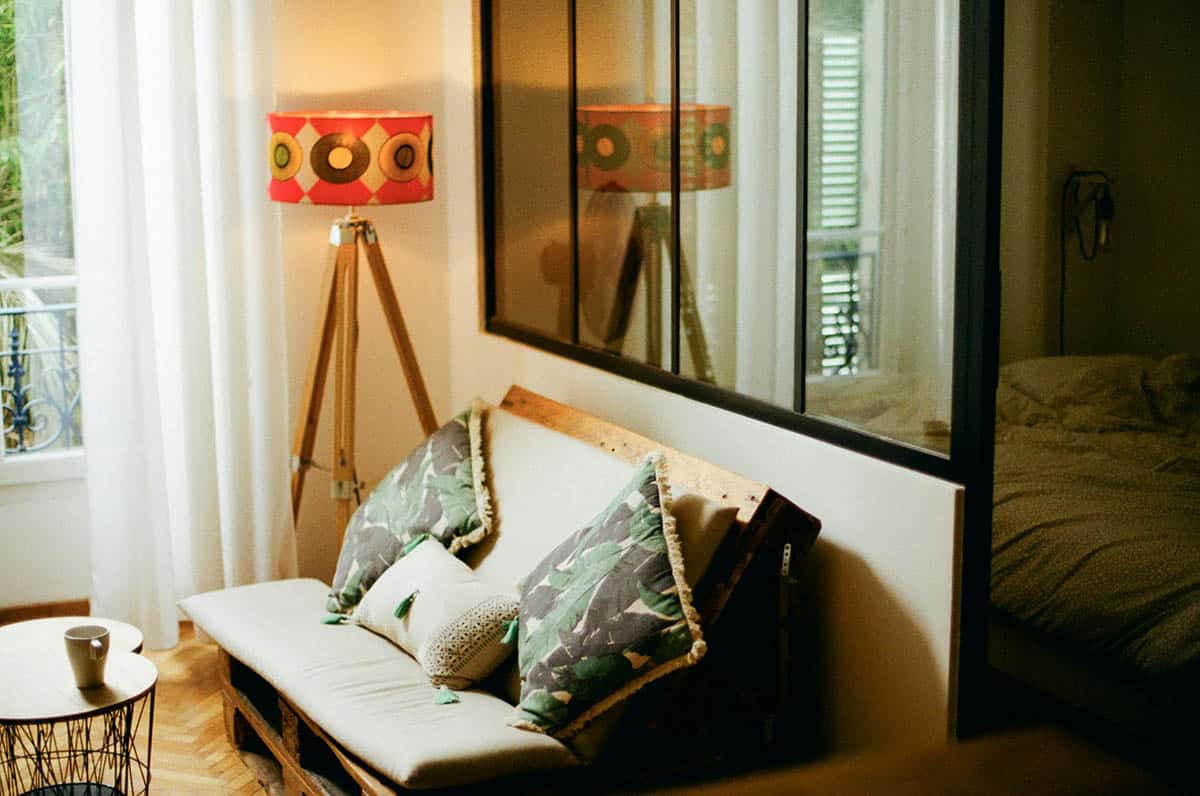
Mirror in Wardrobe, Photo by Max Vakhtbovycn

Nice, Provence-Alpes-Côte d’Azur, France, Photo by Polina

Photo by cottonbro studio

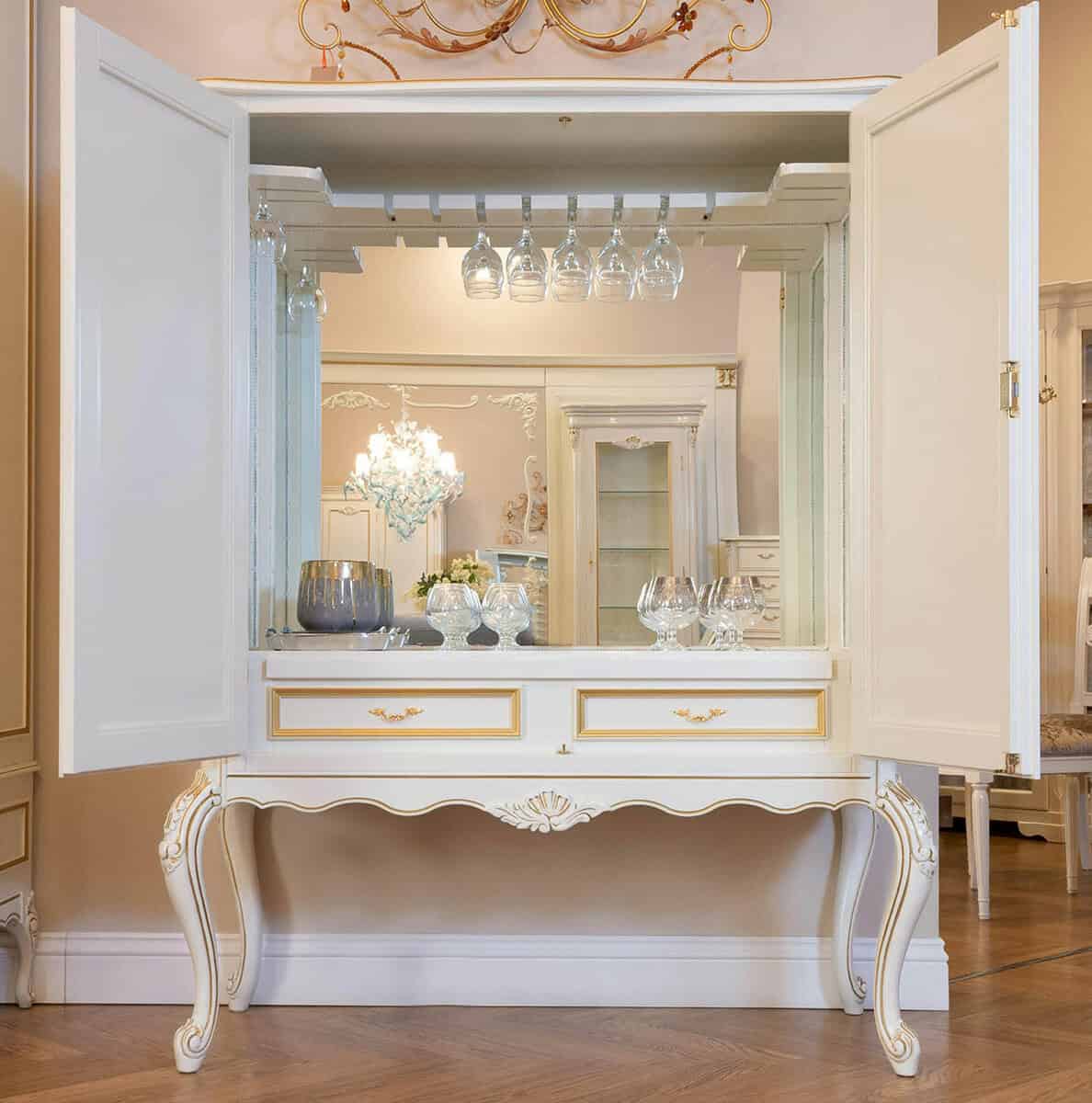
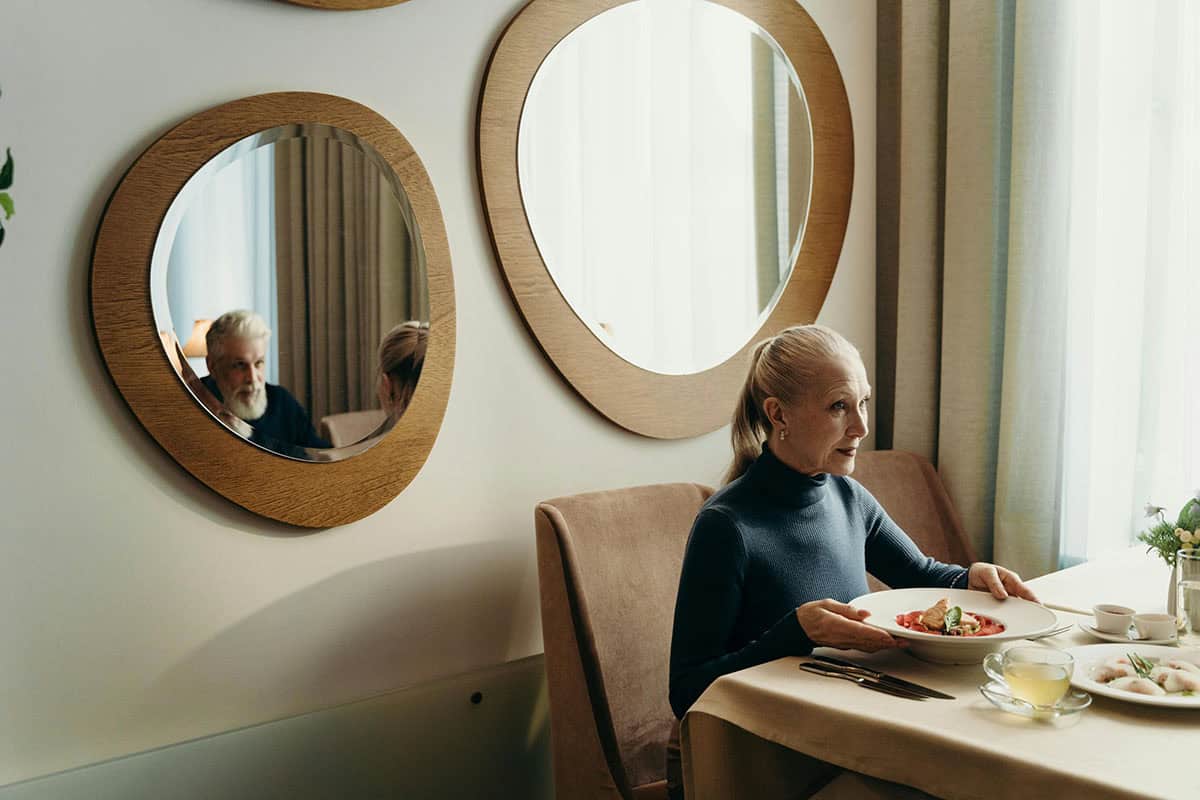
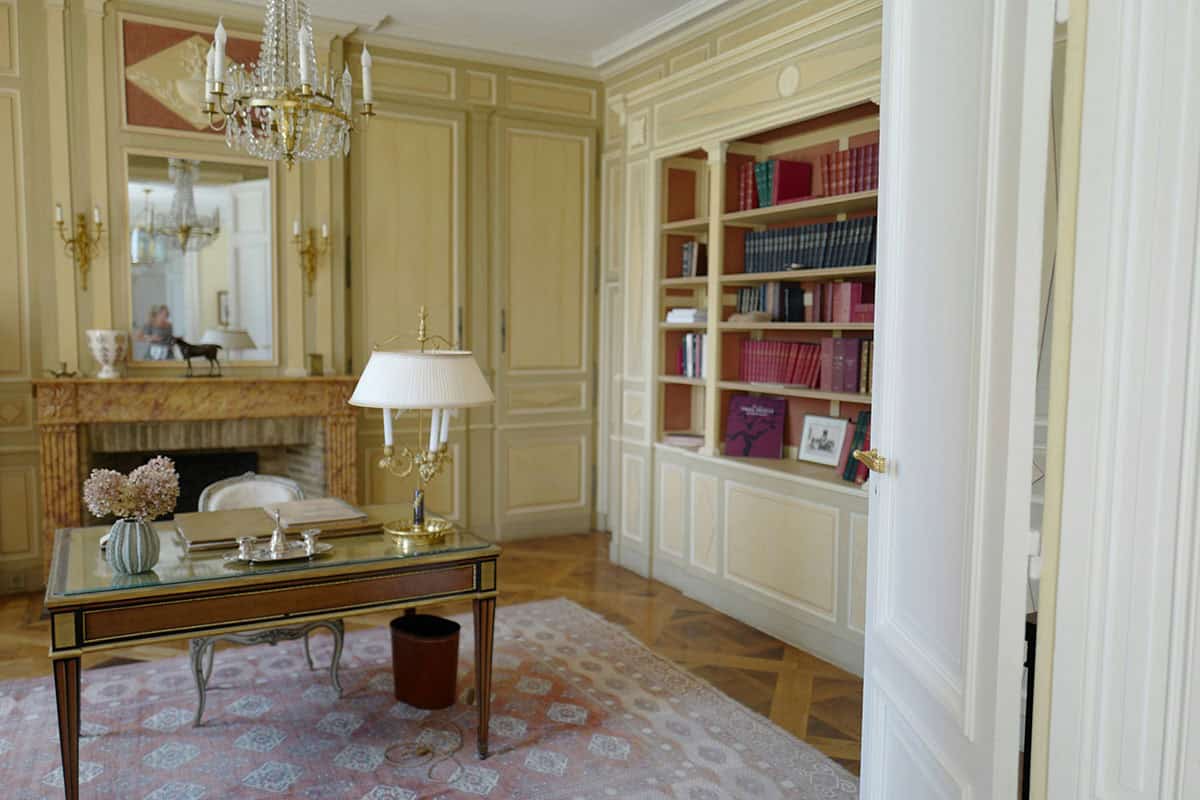
Artwork in modern French style often has both classic and contemporary influences. Large, statement mirrors with sculpted frames or metallic finishes amplify natural light and complement marble fireplaces or wood-paneled walls. Mirrors are frequently placed to highlight architectural details.

Paintings tend to feature a muted palette or soft pastels, adding sophistication without clashing with the room’s overall color scheme. Abstract or minimalistic art often introduces a contemporary twist, blending seamlessly with traditional French aesthetics.

Textiles and Rugs
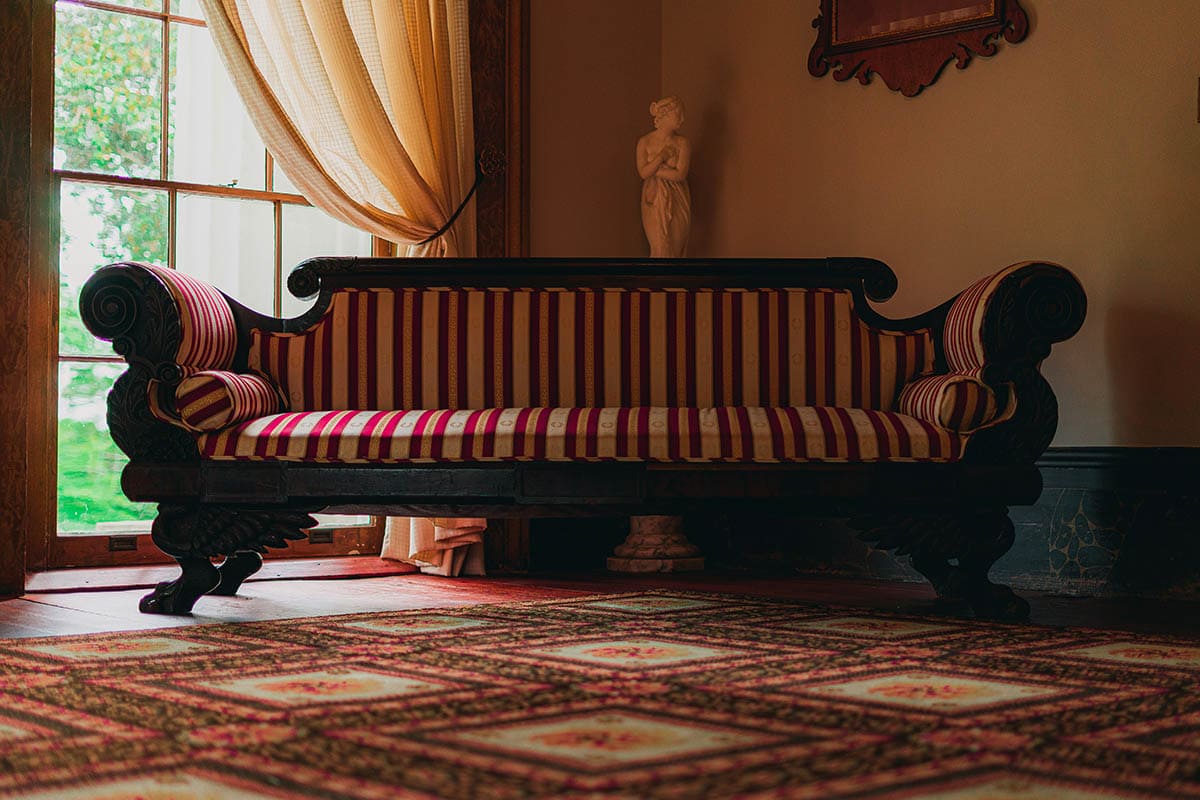
Photo by Timothy Dykes on Unsplash

Luxurious textiles are essential in modern French design. Velvet, linen, and silk in neutral or dusty tones dress sofas, armchairs, and window treatments. These fabrics add texture and depth while preserving a sense of understated refinement.

Rugs usually focus on natural materials like wool or sisal, with subtle patterns or monochromatic shades. They ground living spaces, enhancing comfort without distracting from key features such as architectural moldings or vintage furniture.

Lighting Fixtures
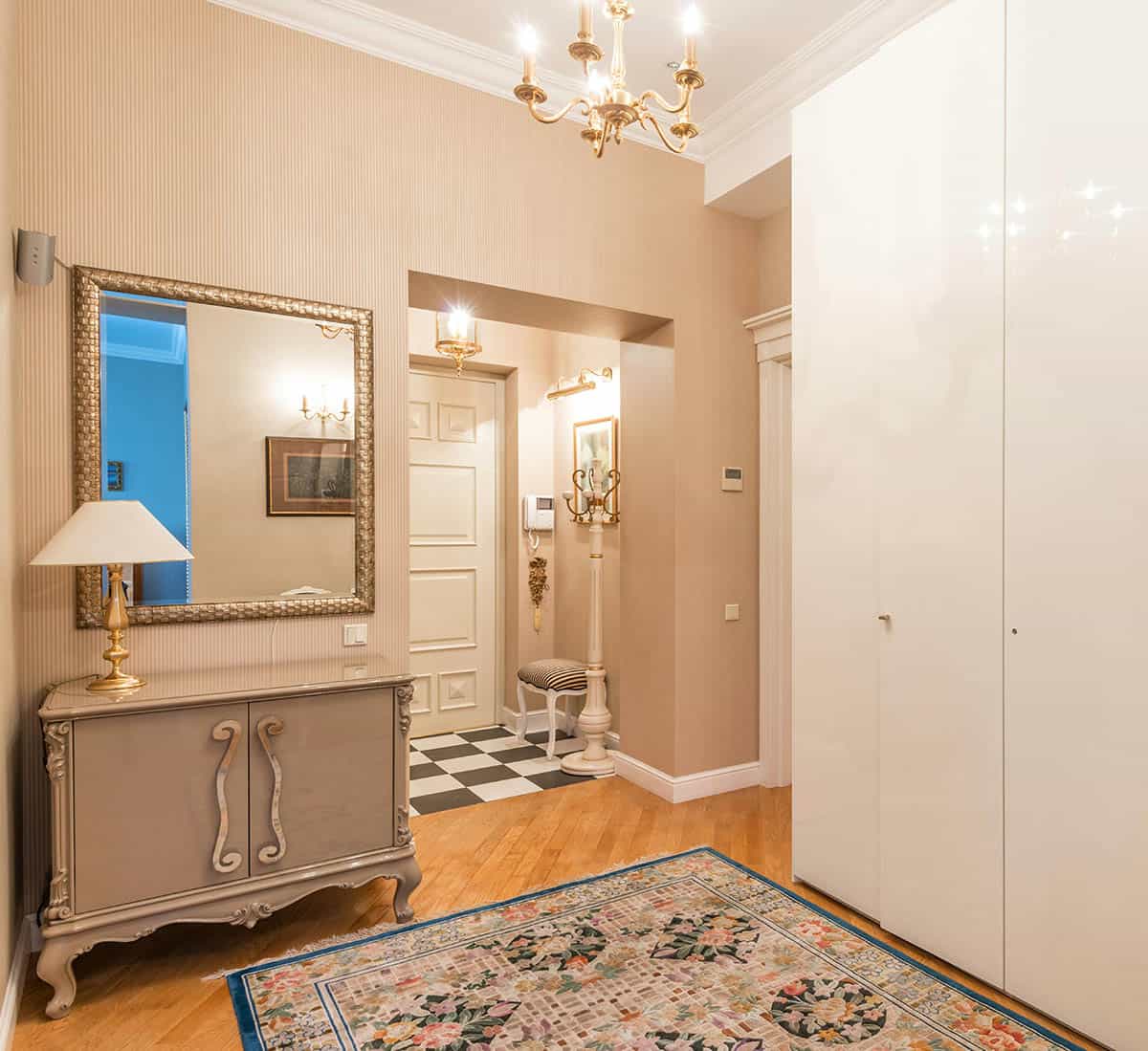
Photo by Max Vakhtbovycn

Lighting fixtures marry form and function in modern French interiors. Fixtures made from brass, gold, or silver are popular choices, adding warm accents that catch the eye without overpowering the room.

Chandeliers and pendant lights often combine classical shapes with streamlined, modern materials. They emphasize ceiling heights and enhance the room’s natural light flow. Table lamps and sconces with fabric shades provide softer, layered lighting to create intimate spaces.

Decorative Objects
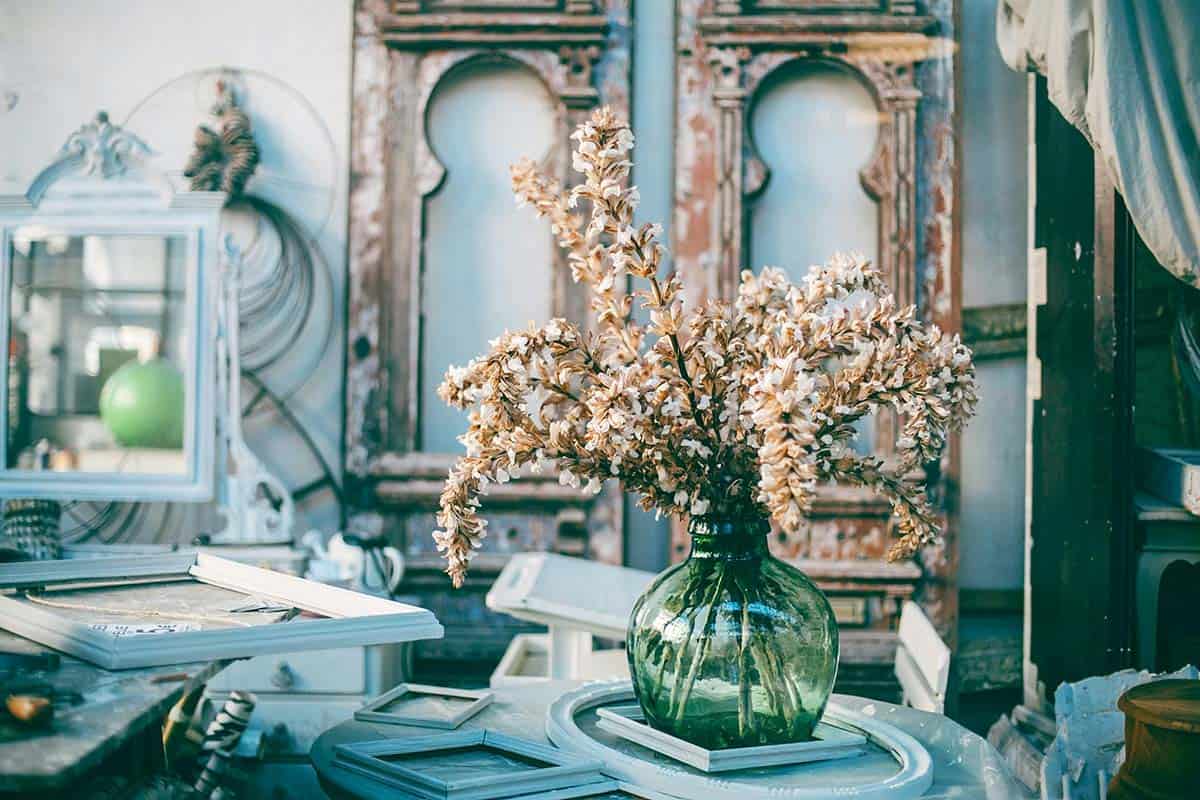
Photo by Maria Orlova

Decorative objects in this style echo natural and elegant themes. Vases filled with lavender, wildflowers, or sunflowers bring subtle outdoor elements inside, connecting to French country influences.

Curated collections include porcelain, hand-blown glass, and ceramics with simple but graceful designs. Sculptural elements with modern materials, such as polished metal or glass, introduce a contemporary edge without losing the calming atmosphere typical of modern French interiors.

4. Modern French Style in Specific Rooms

Video by HomeDezign

Modern French interior design balances timeless elegance with contemporary practicality, emphasizing natural light and clean lines. The use of neutral palettes, textured fabrics, and tailored furniture shapes distinct living spaces, each serving both function and style.

Modern French Living Room
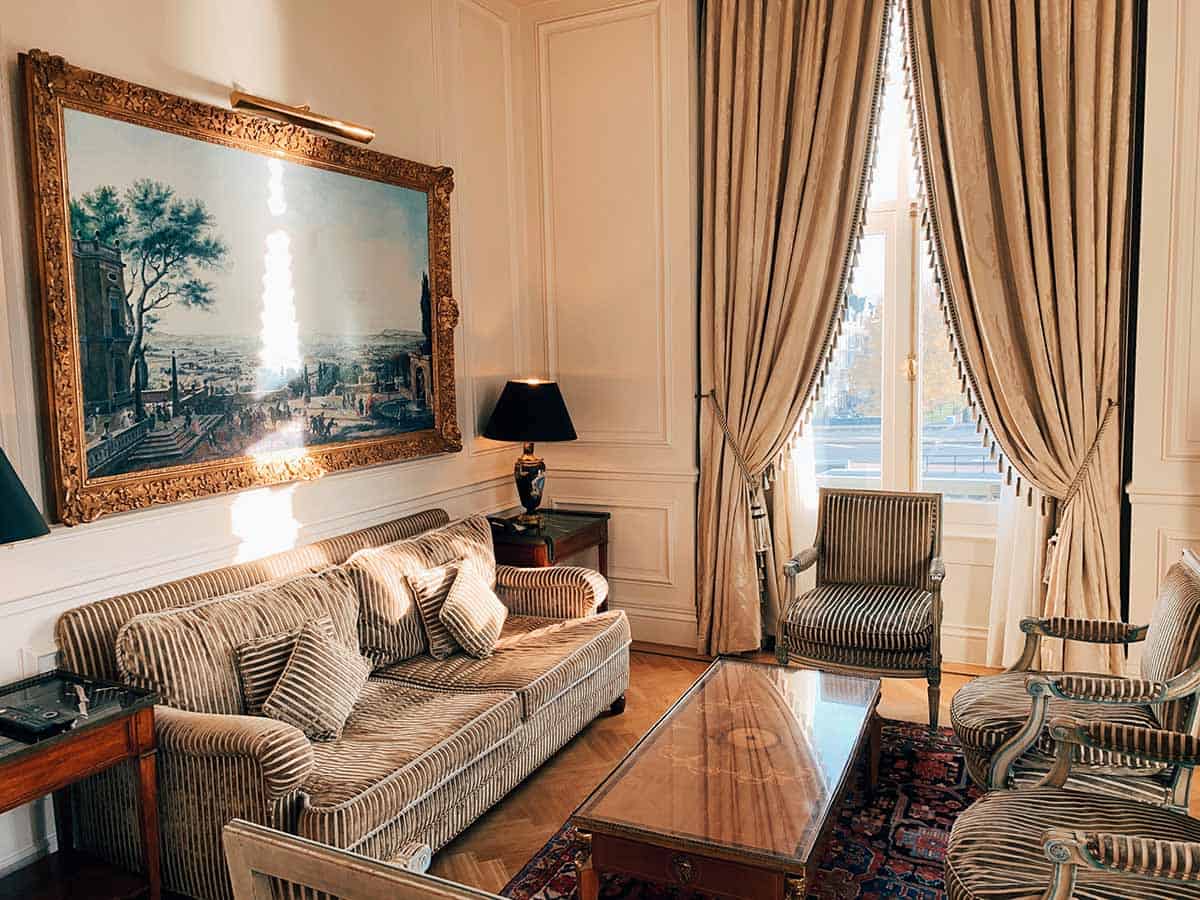
Paris, Frankreich, Photo by reisetopia on Unsplash

Photo by reisetopia on Unsplash

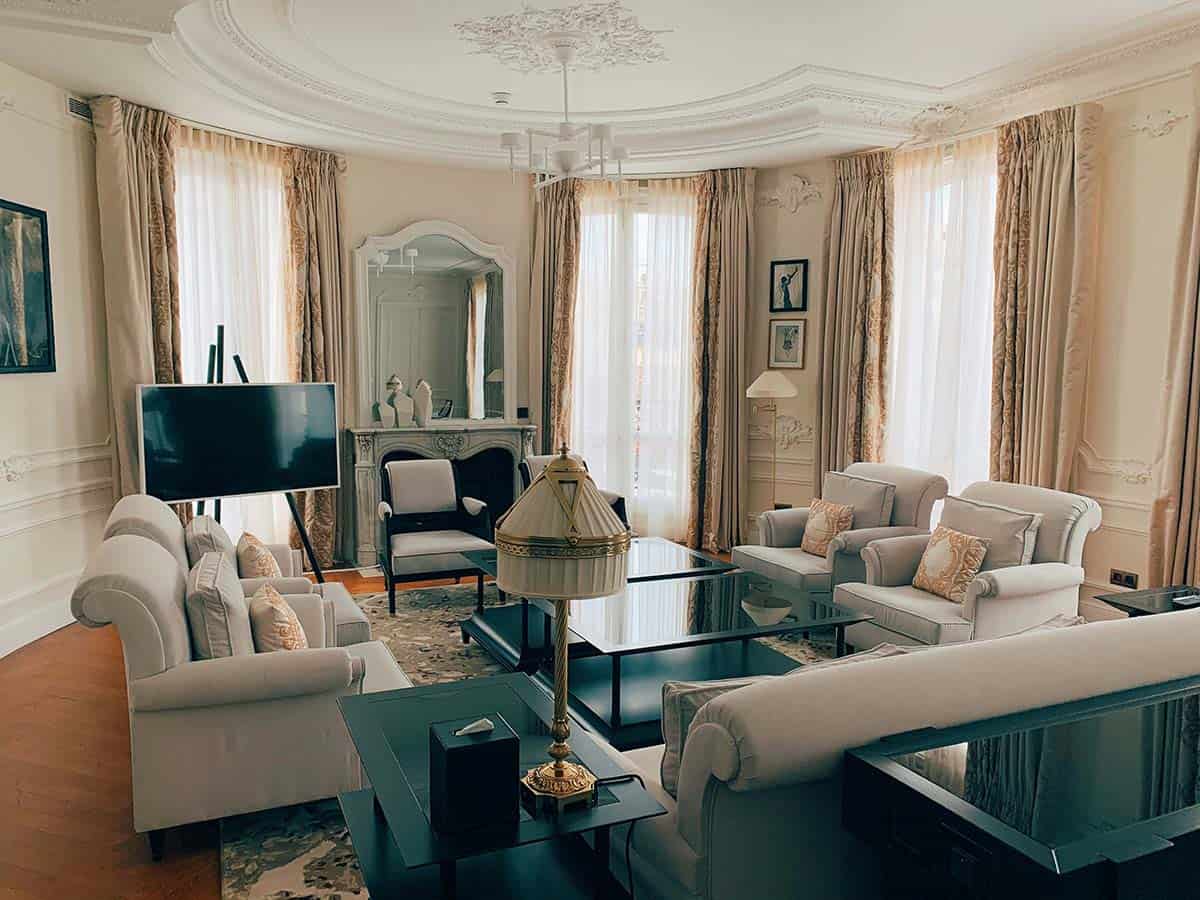
The modern French living room centers on neutral colors, often with white walls to enhance natural light and create an airy, open feel. Key furniture pieces include sleek sofas with subtle curves, combining comfort with refined style.

Accents often feature soft, muted tones such as beige, gray, or pastel blues, complemented by brass or gold details that add a touch of Art Deco influence without overwhelming the space.

Decorative elements are minimal yet purposeful, including statement mirrors, classic chandeliers, and textured rugs. This creates a room that is both inviting and sophisticated, reflecting a modern French aesthetic that suits everyday living and entertaining alike.

Contemporary French Kitchen
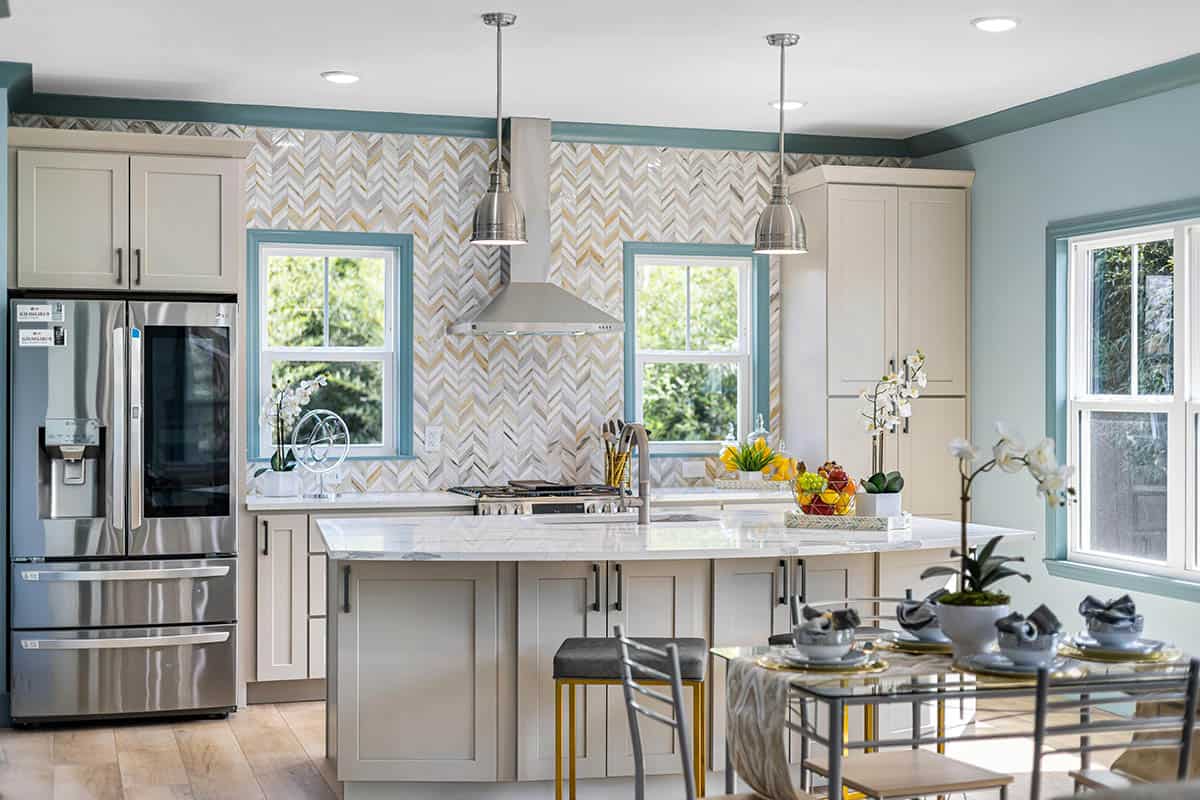
Photo by Curtis Adams

The contemporary French kitchen integrates clean, functional design with warm, rustic touches. Cabinets are usually painted in soft neutrals — like muted gray or ivory — to maintain the timeless style typical of modern French homes.

Countertops often feature natural materials such as marble or wood, emphasizing quality and durability. Open shelving displays carefully curated kitchenware, blending function with decorative appeal.

Lighting fixtures combine sculptural modern forms with traditional elements, enhancing the balance between past and present. This space prioritizes natural light through large windows, creating a bright environment ideal for both cooking and casual gatherings.

French Style Bedroom

Paris, Frankreich, Photo by reisetopia on Unsplash
Photo by Max Vakhtbovycn

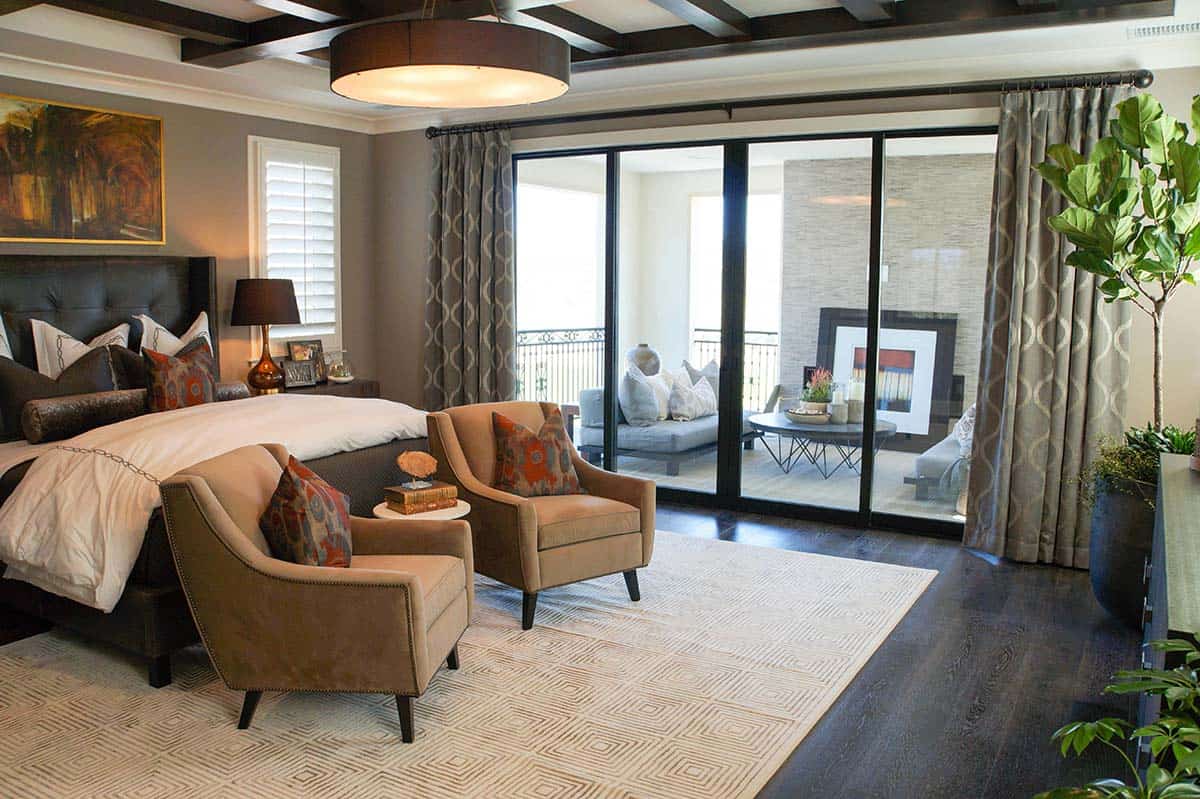
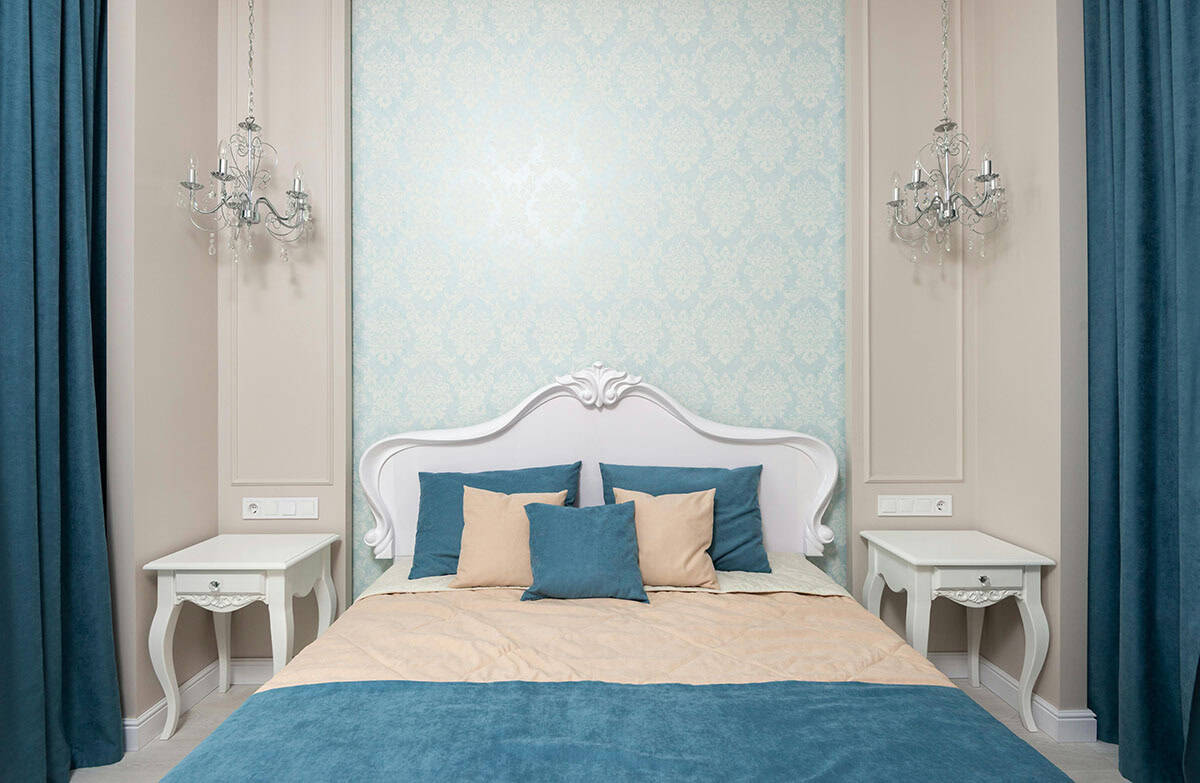
The French style bedroom highlights comfort through a blend of soft fabrics, muted colors, and elegant details. The primary bedroom often incorporates a curated mix of antique and modern furniture pieces, with tufted headboards or ornate bed frames providing focal points.

Walls are kept mostly neutral, often white or light beige, allowing textiles like linen curtains and plush throws to introduce subtle texture. Lighting choices favor warm, ambient light, with bedside lamps or chandeliers enhancing a relaxed, timeless atmosphere.

Design focuses on creating a restful environment that reflects the simplicity and refinement of modern French interiors while accommodating personal comfort and function.

5. Practical Tips for Modern French Interiors
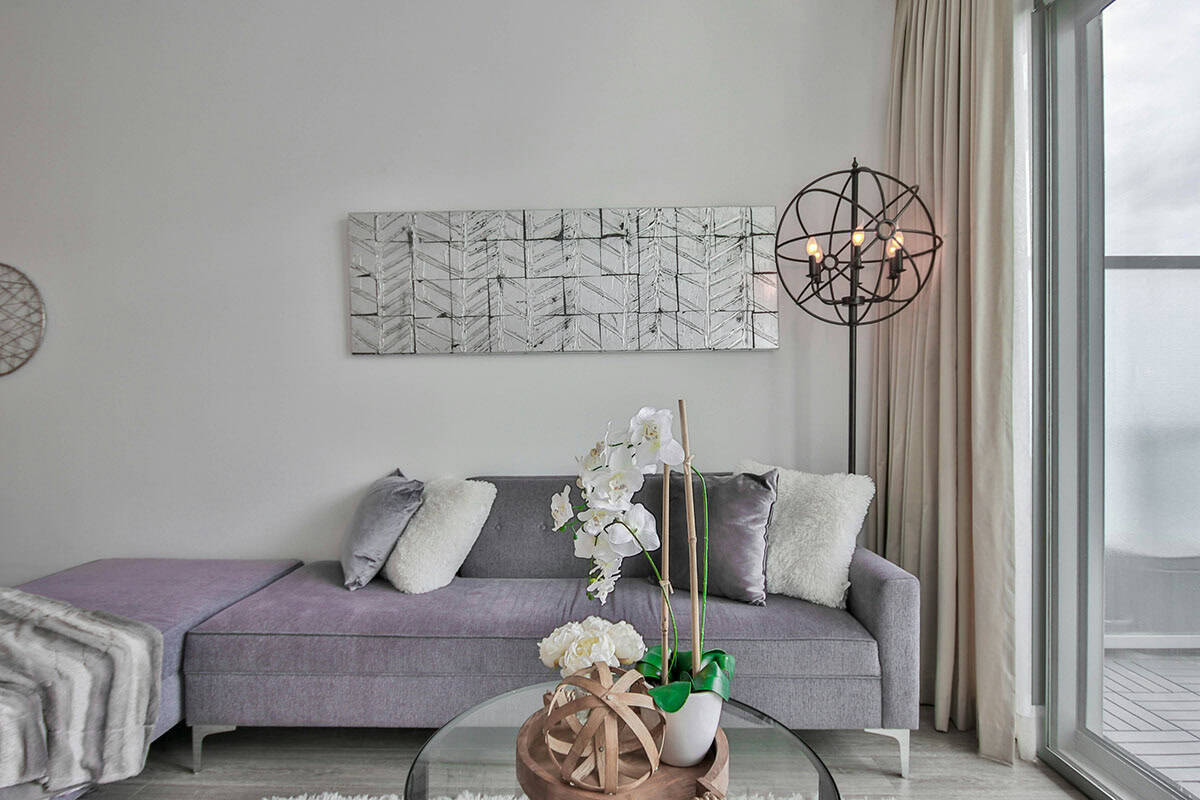
Photo by Lotus Design N Print on Unsplash

Modern French interiors require a thoughtful blend of styles and carefully chosen elements to achieve a timeless yet fresh look. Attention to details like color palettes, furniture styles, and materials helps create spaces that balance sophistication with comfort.

Balancing Trend and Tradition

Photo by Helen Thomas on Unsplash

Successful modern French interiors mix classic French elements with contemporary updates. Incorporating clean lines and contemporary pieces softens traditional details like ornate moldings or vintage light fixtures.

The key is to use timeless styles such as subtle art deco influences in mirrors or lamps alongside minimalist furniture. Neutral color palettes—whites, grays, and soft beige—anchor the room, while statement accents bring in flair without overpowering.

A typical approach might layer a plush sofa with period-inspired chairs, or place a sleek coffee table beside a rustic wood cabinet. This creates harmony, preventing the space from feeling dated or overly trendy.

Sourcing Materials and Furniture
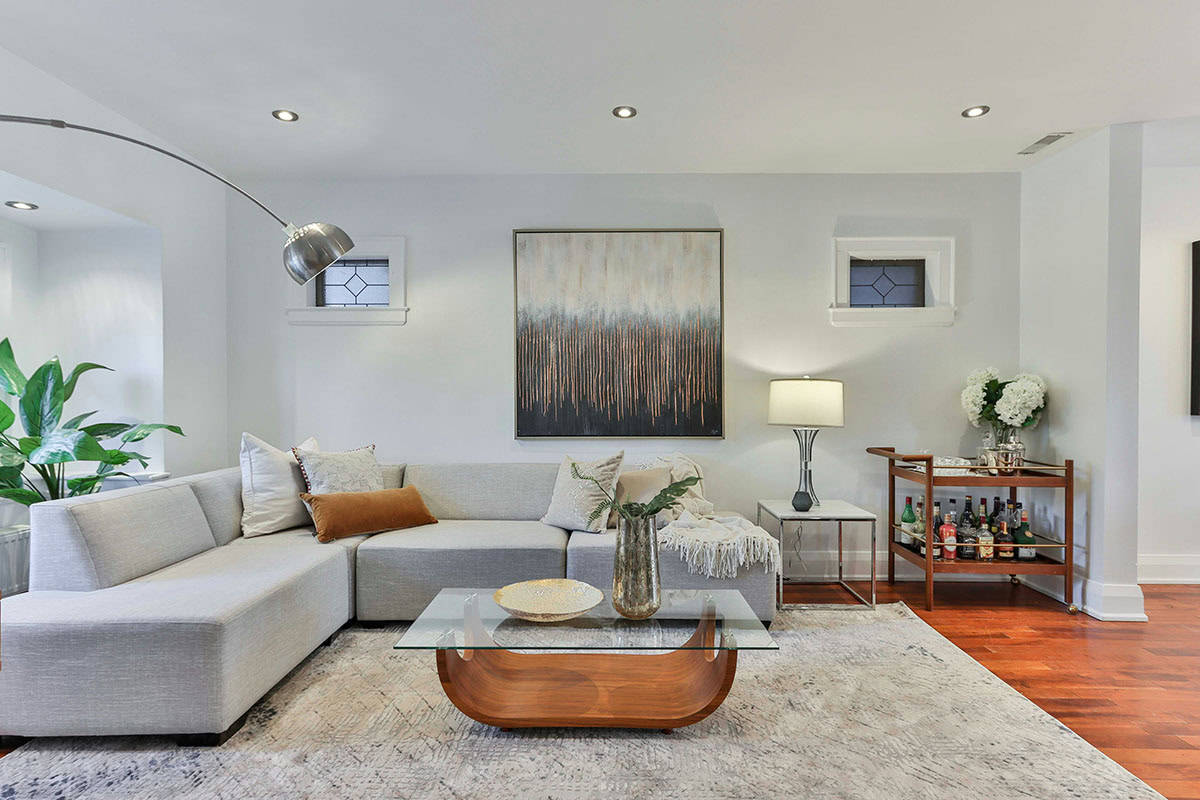
Photo by Lotus Design N Print on Unsplash

the right materials is critical to modern French design’s elegance. Natural fabrics like linen or cotton provide softness and breathability. Wood flooring or furniture with a slightly distressed finish adds authentic charm.

Shopping secondhand is a smart strategy to find genuine vintage pieces that reflect history. Furniture markets or curated shops offer items with character, such as wrought iron bed frames or carved side tables.

For contemporary needs, look for pieces with minimalist shapes that contrast older items. Metal and glass often bring a modern edge. Prioritize quality over quantity to maintain a sophisticated feel, and avoid clutter that detracts from the clean, refined look of modern French interiors.

See also Top 5 Secret Architectural Spots in Paris

Modern French Interior Design: A Recap

Modern French interior design is more than just a trend — it’s a timeless lifestyle choice. By blending heritage details with contemporary ease, this style offers a unique balance of refinement and comfort that works in any home.

  • Navigate natural materials and soft, muted tones
  • Mix vintage treasures with modern simplicity
  • Focus on light, space, and thoughtful curation

Whether you’re redesigning a single room or refreshing your entire home, the modern French approach invites you to create spaces that feel elegant yet livable, sophisticated yet welcoming.

Now’s the time to bring this effortless style into your life — and let your home tell a story of timeless beauty.

FAQ

Article Rating
0.0/ 5.0
Be the first to rate this article
5 Star 0%
4 Star 0%
3 Star 0%
2 Star 0%
1 Star 0%
Your Impression
Rate Article

Leave a Comment

Your email address will not be published. Required fields are marked *

Your Rating *

Recent Post

Bohemian Eclectic Interior Design

Does your home feel too structured, sterile, or just not you? If you’re craving a space full of personality, warmth, and soul, you’re not alone.

You dream of a home that reflects your creative spirit—a place where every detail feels personal and inviting. But pulling off a layered, artistic look without it feeling cluttered can be tricky.

That’s where we step in. With deep roots in bohemian eclectic interior design, we’ll guide you through the world of:

  • Boho style basics and beyond
  • Elements that define modern bohemian style
  • How to mix and match pieces in bohemian interiors
  • Creating balance in modern bohemian interior design

Keep reading to learn how to master the bohemian interior design style—and transform your space into a true reflection of your bohemian style and lifestyle.

A vibrant, soulful home is closer than you think.

Defining Bohemian Eclectic Interior Design

Video by HOUSEofGreen

Bohemian eclectic interior design blends diverse styles, textures, and influences into a thoughtfully balanced space. It has a relaxed yet intentional approach, mixing vintage and modern pieces alongside natural materials to create a unique, personal environment. The style focuses on individuality while maintaining harmony.

Bohemian style is defined by its intentional layering of contrasting elements. It combines vibrant colors, varied patterns, and an array of textures. Unlike pure boho style, which can be more freeform and spontaneous, this approach is methodically mismatched but cohesive.

Natural materials like wood, rattan, and woven textiles are common, grounding the look with organic warmth. Furniture and decor in boho interior design often include vintage furniture or globally inspired pieces, enhancing the eclectic charm interior design seeks to achieve.

The result is a space that feels curated rather than chaotic, emphasizing comfort and creativity.

1. Key Elements and Themes

Photo by Maria Orlova

Key elements include layered textiles such as rugs, throws, and cushions, often with ethnic or tribal prints. Plants also play a significant role, adding life and a connection to nature. Lighting tends to be warm and soft, supporting a cozy atmosphere.

Modern bohemian design favors furniture with clean lines contrasted by decorative accessories that feature intricate details. Using a combination of old and new items prevents the space from feeling overly styled or sterile.

Overall, boho decor in this style balances expressive artistry with functional harmony, inviting individuality within a structured framework.

Color and Pattern Strategies in Bohemian Eclectic Interior Design

Photo by Charlotte May

Bohemian eclectic interior design relies on intentional choices of color and pattern to create a warm and inviting atmosphere. It emphasizes layering textures and combining vibrant hues with natural elements to maintain balance and depth.

In modern bohemian design, mixing colors and textures is key to achieving a unique style. Rich, earthy tones like terracotta, mustard, and deep greens often form the base palette. These can be complemented by jewel tones such as sapphire or ruby to add vibrancy.

Texture is essential—materials like woven wool, rattan, and leather introduce tactile interest.

To avoid visual clutter, it’s effective to group similar textures together while contrasting them with smoother surfaces like lacquered wood or glass. This layering approach allows for a dynamic yet cohesive look. Many elements are sourced from vintage shops to enhance bohemian decor with character and authenticity.

2. Patterns and Prints Integration

Photo by Matheus Bertelli from Pexels

Bold patterns are a signature feature of boho interior design, drawing inspiration from global cultures. Integrating diverse prints such as tribal motifs, florals, and geometric shapes helps create an eclectic bohemian feel.

The key lies in mixing patterns of different scales, for instance, pairing a large-patterned rug with smaller, detailed cushions.

To create harmony, patterns often repeat color tones found elsewhere in the room. They thrive when combined with neutral backdrop walls or furniture, preventing the space from feeling overwhelming. This use of pattern layering is fundamental to inserting bohemian elements that express personality without sacrificing flow.

3. Balancing Vibrancy with Neutral Tones

Photo by Rachel Claire

While bohemian spaces frequently embrace bold colors and patterns, balancing them with neutral tones is crucial. Walls painted in soft beige, ivory, or muted gray provide a calm canvas that enhances the vibrancy of textiles and accessories. Minimalistic artwork and strategically placed furniture help ground the design.

Neutral tones soften the intensity of eclectic boho decor and allow natural elements like plants and wooden accents to stand out. This balance between colorful energy and understated grounding supports a warm and inviting atmosphere typical of bohemian aesthetic.

It also ensures longevity and ease of updating the interior design style over time.

See Also Eclectic Maximalist Interior Design

Furniture and Decor Selection in Bohemian Eclectic Interior Design

Photo by Jonathan Borba

Selecting furniture and decor for a bohemian eclectic interior involves balancing varied styles, textures, and colors to create an inviting space. It emphasizes mixing natural and artistic elements that reflect personal style while maintaining harmony through thoughtful layering and carefully chosen accents.

Eclectic furniture often blends natural elements like wood and rattan with bold materials. Pieces should feel unique yet cohesive, incorporating essential elements such as earthy tones and rich jewel tones to build warmth. Combining floor cushions with low-profile sofas adds comfort and an inviting atmosphere.

Key furniture styles include mid-century modern chairs paired with vintage wooden tables. Mixing hard textures with soft fabrics featuring vibrant patterns enhances the eclectic aesthetic. Prioritizing pieces that offer both function and artistic flair supports the relaxed, personalized nature of boho spaces.

4. Layering with Vintage and Modern

Photo by Tamilles Esposito

Layering involves combining vintage and modern items to enrich visual interest without clutter. A weathered leather armchair might sit alongside a sleek metal light fixture, connecting past and present through form and texture.

Textiles such as throws, rugs, and pillows with colorful, intricate patterns provide warmth and depth. Earthy and jewel tones work well together here, grounding the space while allowing for pops of brightness. Thoughtful layering creates nuanced spaces that invite calmness and express individuality.

5. Artwork and Decorative Accessories

Photo by Rachel Claire

Artwork and accessories finalize the eclectic boho look by injecting personality and character. Handcrafted wall hangings, woven baskets, and ethnic prints enhance the bohemian vibe, while abstract paintings add modern contrast.

Decorative accents should highlight natural materials like clay, wood, and woven fibers, supporting a tactile connection to the environment. Colorful throw pillows and unique trinkets provide variety, blending texture and pattern to maintain the eclectic nature of the room while celebrating personal style.

Finishing Touches and Styling Tips

Video by The Design Lounge

To complete a Bohemian Eclectic interior, layering textures and patterns is essential. Adding brightly colored throws, pillows, and wall hangings creates a rich, relaxed atmosphere. These essential elements often feature bold prints or ethnic motifs that contribute to the overall aesthetic.

Using one-of-a-kind accessories, such as vintage finds or handcrafted items, enhances the space’s personality. It is effective to combine furniture styles from different eras and cultures to keep the look unique and inviting. Mixing metals, wood, and textiles adds depth and visual interest.

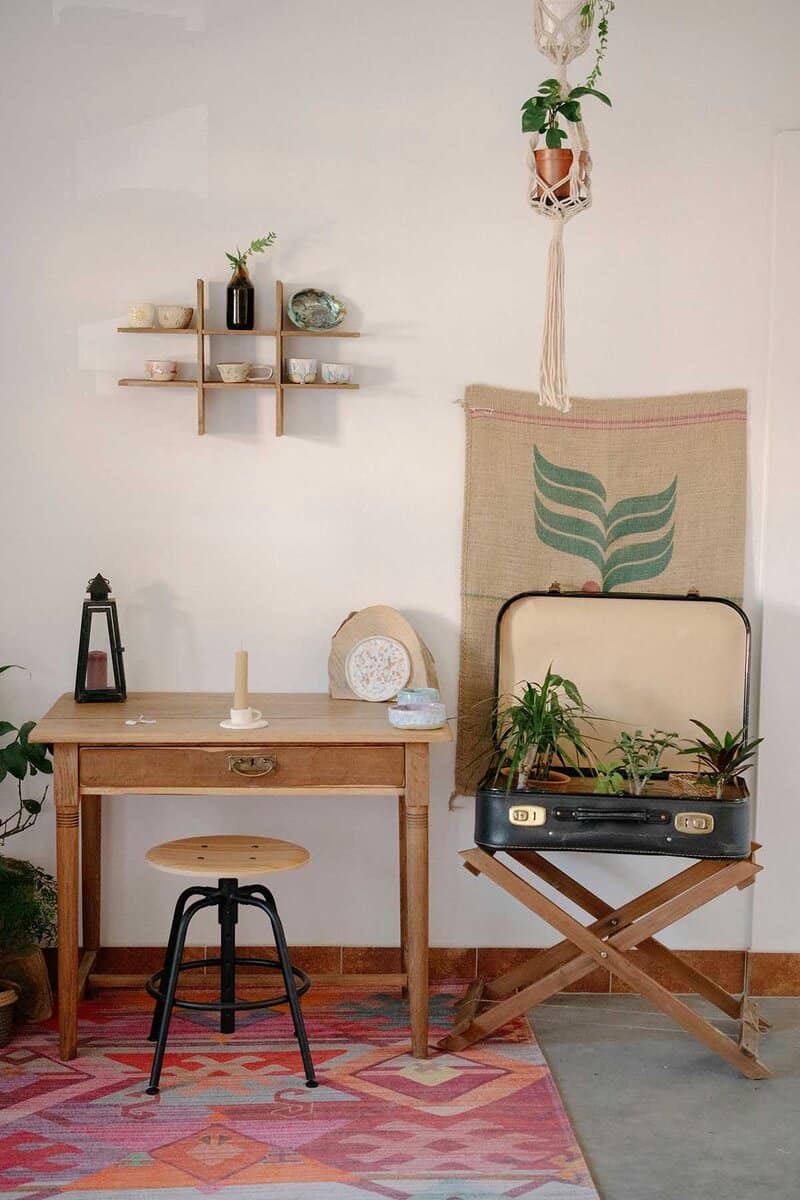
Plants are vital in Bohemian Eclectic design. They bring natural warmth and softness that balance the vibrant patterns and colors. Varieties like ferns, succulents, and trailing plants work well in this style.

See Also Living Room Interior Design Trends 2025

Bohemian Eclectic Interior Design: A Recap

In conclusion, embracing bohemian interior design allows you to create a home that’s both expressive and deeply personal. Whether you’re drawn to the carefree charm of boho style or the refined touch of modern bohemian style, the key is to blend textures, colors, and meaningful pieces with intention.

By following the principles of modern bohemian interior design, you can design a space that feels warm, layered, and uniquely yours. From cozy textiles to eclectic vintage finds, bohemian interiors offer endless ways to reflect your individuality. Let the bohemian interior design style guide your creativity—and step confidently into a home that celebrates your true bohemian style.

FAQ

Dark Academia Bedroom Interior Design

Struggling to turn your bedroom into a cozy, inspiring retreat? You’re not alone—many seek a space that reflects both their intellectual depth and personal style, but don’t know anything about dark academia bedroom interior design.

If you’ve ever dreamed of a room that feels like a page from a classic novel—moody, elegant, and timeless—you’re the hero we’re talking to.

With years of experience in interior design and a passion for vintage-inspired spaces, we’re here to guide you through the transformation.

In this article, you’ll discover how to create a Dark Academia bedroom by focusing on:

  • Signature color palettes
  • Essential furniture selections
  • Textile and lighting choices
  • Curated decor and artwork

Keep reading to unlock the secrets to designing a space that inspires reflection, creativity, and calm.

By the end, you’ll have a bedroom that’s not just beautiful—it’s a sanctuary for your mind, soul, and aesthetic sensibilities.

Key Elements of Dark Academia Interior Bedroom Design

Video by Steffi | Moda Misfit

A Dark Academia bedroom focuses on carefully chosen colors, furniture, and textiles that evoke a scholarly, vintage atmosphere. These elements create a cozy, intellectual environment through specific shades, classic shapes, and textured fabrics.

Dark Academia color schemes center on muted, deep tones with a vintage feel. Common colors include deep burgundy, forest green, navy blue, and rich browns. These are often paired with accents of cream or beige to soften the look without sacrificing warmth.

Muted gold or brass tones can be used in decor or fixtures to add subtle elegance. Walls might feature wallpaper with intricate patterns or dark wood paneling to enhance the academic vibe. Using these colors thoughtfully across walls, furniture, and accessories ties the room together under the dark academia aesthetic.

1. Essential Furniture Selection

Photo by Max Vakhtbovycn

Furniture in a Dark Academia bedroom emphasizes timeless, classic styles with a scholarly feel. Pieces made of dark-stained wood dominate, such as vintage desks, bookcases, and bed frames.

A sturdy wooden desk with drawers provides a workspace that fits the intellectual theme. A high-backed armchair or tufted leather chair complements reading areas. Furniture tones remain muted, matching the color palette to maintain unity.

Avoid modern or minimalistic styles; instead, opt for ornate detailing like carved legs or brass pulls that reflect an old-world charm. Well-chosen furniture anchors the room in the dark academia aesthetic and encourages both study and relaxation.

2. Textile and Fabric Choices

Photo by Pușcaș Adryan

Textiles add depth and tactile interest. Heavy fabrics such as velvet, tweed, or wool are preferred, often in dark or earthy tones consistent with the room palette. Velvet cushions, plaid throws, or wool blankets create a warm, textured feel.

Window treatments like thick curtains or drapes in deep colors help block light and add to the cozy ambiance. Rugs in oriental or Persian-inspired patterns reinforce the vintage scholarly mood while softening floors.

Bedding should be layered with neutral sheets, dark duvet covers, and patterned blankets, balancing comfort and style. These fabric choices are essential to completing the Dark Academia bedroom decor for a lived-in, intellectual space.

See Also Interior Wall Design

Choosing Lighting for a Dark Academia Atmosphere

Photo by Clay Banks on Unsplash

Lighting defines the mood and enhances the dark academia style in a bedroom. Soft, warm tones, carefully placed fixtures, and antique-inspired details create an inviting yet mysterious environment. Effective lighting combines subtle ambient sources with focused accents and vintage pieces for authenticity.

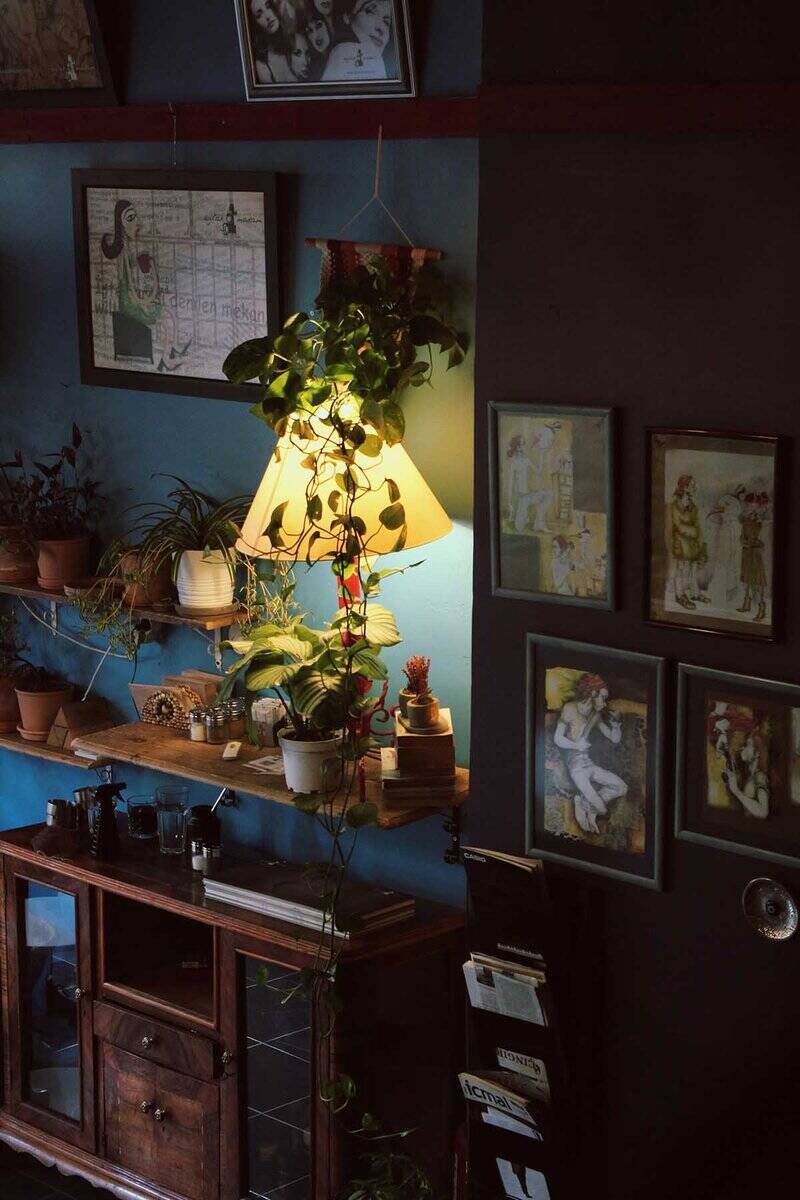
Ambient lighting should provide a gentle, diffused glow that complements the dark color palette. Overhead bright lights are avoided to maintain the dark academia vibes. Instead, floor lamps or table lamps with warm-toned bulbs create cozy illumination.

Using lampshades in deep green, brown, or bronze hues further softens the light. Dimmer switches allow control over brightness, enabling the room to shift from practical to moody. Warm whites around 2700K replicate candlelight’s softness without harshness.

This type of lighting serves as the focal point for a dark academia space, balancing shadow and light to highlight dark decor like rich wood furniture or velvet drapes.

3. Accent and Task Lighting

Photo by Max Vakhtbovycn

Accent lighting enhances specific items that contribute to the academia bedroom’s intellectual feel, such as antique book collections or vintage globes. Wall sconces with ornate designs in brass or bronze can frame key areas, creating subtle focal points.

For task lighting, classic desk lamps with adjustable arms help maintain functionality without compromising the dark aesthetic. These lamps often feature fabrics or metals that blend into the room’s palette.

Layering task and accent lighting ensures practicality during reading or studying while reinforcing the moody atmosphere. It invites both relaxation and focus in an academia-inspired setup.

Lighting fixtures rooted in historical or classical styles strengthen the authenticity of a dark academia bedroom. Chandeliers with candle-like bulbs or aged metals add a refined and scholarly touch.

Brass, bronze, and wrought iron finishes are common materials that connect to the era dark academia references. These fixtures often show intricate craftsmanship, making them decorative centerpieces within the room.

Including items like antique table lamps, wall sconces, or even replicated typewriter light stands aligns the lighting scheme with the overall dark decor theme. These elements emphasize the academic and vintage spirit central to dark academia design.

Curating Decor and Artwork in Dark Academia Bedroom Interior Design

Video by Decorants

Creating a dark academia bedroom involves carefully selecting pieces that underline the aesthetic’s moody elegance and intellectual vibe. Attention to literary elements, artwork with gothic or classic flair, and antique objects brings texture and depth to the space while maintaining a cohesive color palette.

Classic literature is a core element, best represented by well-worn books displayed on wooden shelves or stacked on a vintage desk. Leather-bound volumes with gold embossing add authenticity and visual interest.

Accessories like brass bookends, quill pens, and old-fashioned writing tools reinforce the academic atmosphere.

Incorporating items such as globes, vintage typewriters, or scientific models enhances the feeling of scholarly pursuits. A chaise lounge near a window with natural light invites reading and reflection. The color palette here leans toward deep purples, navy blue, and earth tones that complement moody wood furniture.

4. Gallery Walls and Art Selection

Photo by Minh Phuc

Artwork should reflect gothic architecture, classic themes, or dark moody aesthetics. Wooden frames in black or walnut tones work best to frame portraits of historical figures, antique maps, or vintage botanical prints. Arranging art in a structured gallery wall adds focus and sophistication.

Using deep accent wall colors, such as navy blue or muted burgundy, behind the gallery heightens drama without overpowering natural light or fairy lights. This method balances the room’s darkness, prevents a closed-in feel, and enhances cozy elegance.

Personal touches such as handwritten notes or small framed quotes lend character.

5. Incorporating Antique Objects

Photo by Clay Banks on Unsplash

Antique objects are key elements for authenticity and texture. Items like brass candlesticks, ornate mirrors, old clocks, and vintage desk lamps enrich the moody aesthetic. Wooden furniture, particularly pieces with carved details or worn patinas, anchors the room with classic warmth.

Placing these objects strategically on shelves, desks, or side tables maintains balance and prevents clutter. Combining dark metals with rich wood tones supports the deep, somber palette. These touches complement both the intellectual theme and subtle gothic influences often found in dark academia interiors.

See Also 1930s Interior Design

Dark Academia Bedroom Interior Design: A Recap

Designing a Dark Academia bedroom is about more than just aesthetics—it’s about crafting a space that evokes depth, intellect, and a timeless sense of calm. By combining rich color palettes, vintage furnishings, tactile fabrics, and moody lighting, this style offers a unique environment where scholarly charm meets cozy retreat.

Every element, from antique decor to layered textiles, works together to create a personal haven that feels both inspiring and restorative. Whether you’re reading classic literature, writing by candlelight, or simply unwinding in a warm, contemplative atmosphere, a Dark Academia bedroom invites you to slow down and savor the art of thoughtful living.

FAQ

Spanish Colonial Interior Design

Dreaming of a home that feels both timeless and warm—but not sure how to get there? You’re not alone. Many homeowners crave a space that reflects both history and comfort without sacrificing style.

If you’ve ever felt overwhelmed by soulless, modern trends, this guide is for you. You’re the kind of person who values character, tradition, and authenticity.

We’re here to help. With a deep understanding of design heritage and modern lifestyle needs, we’ll guide you through creating a space inspired by Spanish Colonial style interior design.

Here’s the plan:

  • Explore the roots of Spanish Colonial design
  • Identify key elements like texture, color, and materials
  • Learn how to blend old-world charm with modern living

Keep reading to discover how modern Spanish Colonial interior design can transform your home into a rich, welcoming sanctuary.

By the end, you’ll have a clear vision and actionable tips to create a home full of history, warmth, and timeless beauty.
Defining Features of Spanish Colonial Interior Design


Video by HOME DECOR 101

Spanish Colonial interior design centers on natural materials, warm colors, and distinctive architectural details. It balances historic craftsmanship with functional elements to create spaces that feel both inviting and timeless.

Emphasis on texture, light, and structural form shapes the look found in traditional Spanish colonial homes and modern Spanish style adaptations.

Spanish Colonial style originated in the 16th century with Spanish settlers in the Americas. It draws heavily from Mediterranean and Moorish design, blending Spanish craftsmanship with indigenous materials. This heritage is evident in the use of hand-painted tiles, wrought iron, and carved woodwork.

The influence extends to iconic regions like Santa Barbara, where Spanish Colonial architecture shaped local design identity. These origins inform the style’s emphasis on detailed woodworking, terracotta flooring, and ornamental ironwork, all key elements in authentic Spanish style homes.

1. Color Palettes and Materials

Photo by Emre Gencer

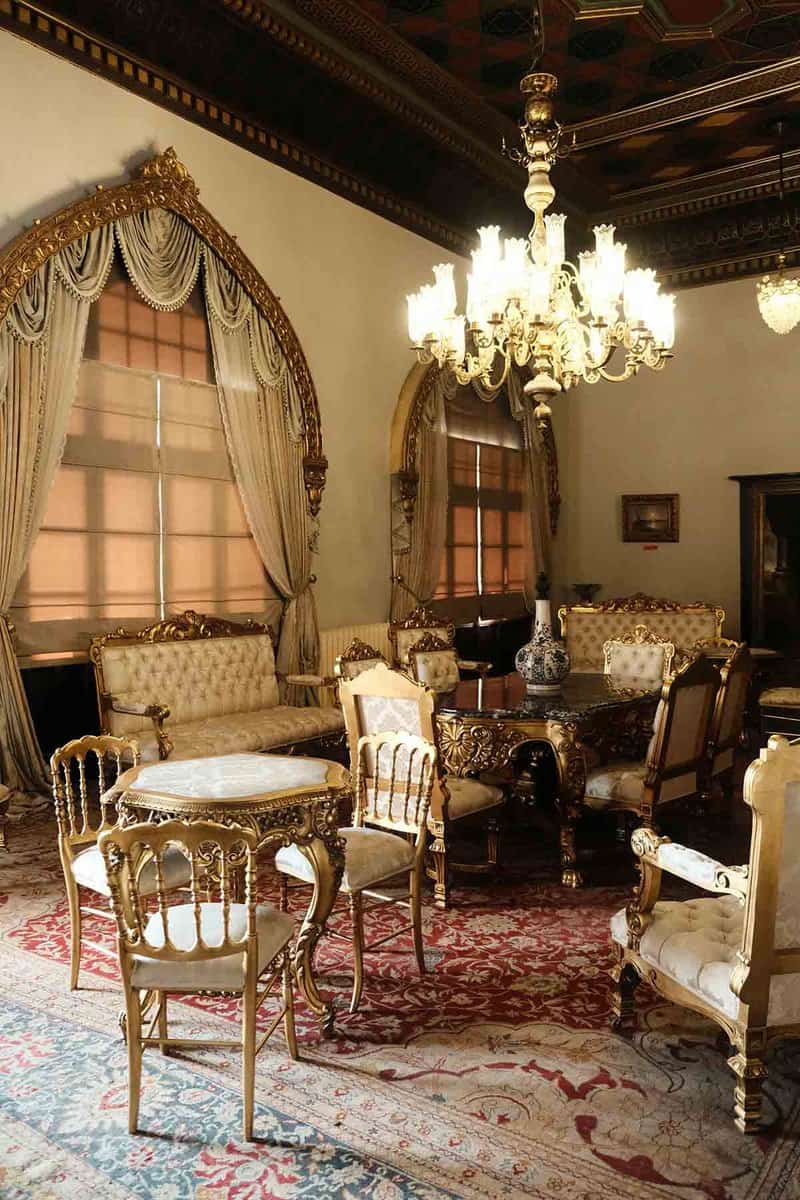
Color palettes in Spanish Colonial interiors favor warm, earthy tones like terracotta, ochre, and deep reds. White or off-white stucco walls serve as neutral backdrops, enhancing the warmth of these colors. Dark wood, often in exposed beams and heavy furniture, contrasts with lighter walls to add depth.

Materials are natural and tactile, including terra-cotta tile floors, plastered walls, and iron accents. Textured fabrics like wool or leather complement the rustic feel. This material selection supports the style’s focus on durability and handcrafted detail.

2. Architectural Elements

Photo by Warren LeMay

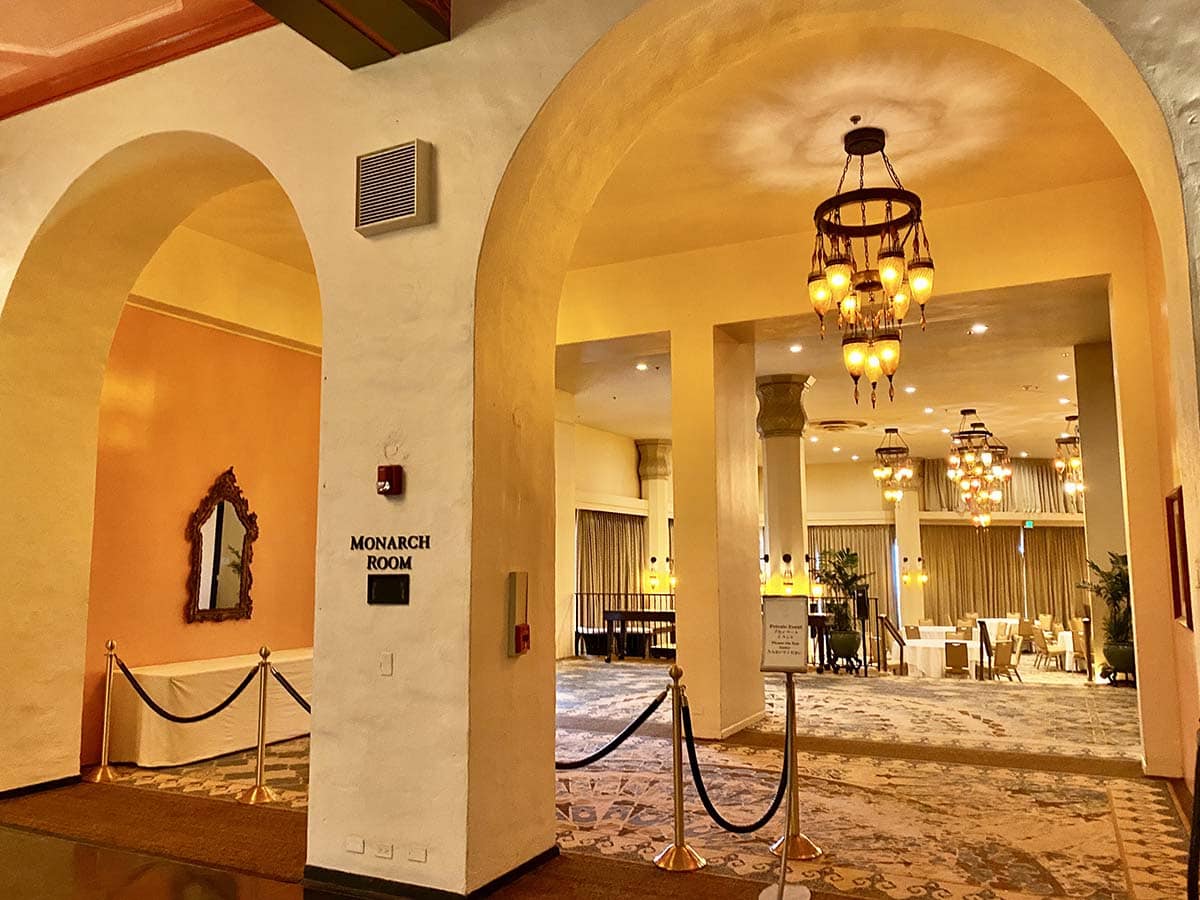
Architecturally, Spanish Colonial interiors showcase soft arches, vaulted ceilings, and thick stucco walls. Arches frame doorways and windows, lending softness and elegance. Columns, often simple and robust, provide structural and decorative function.

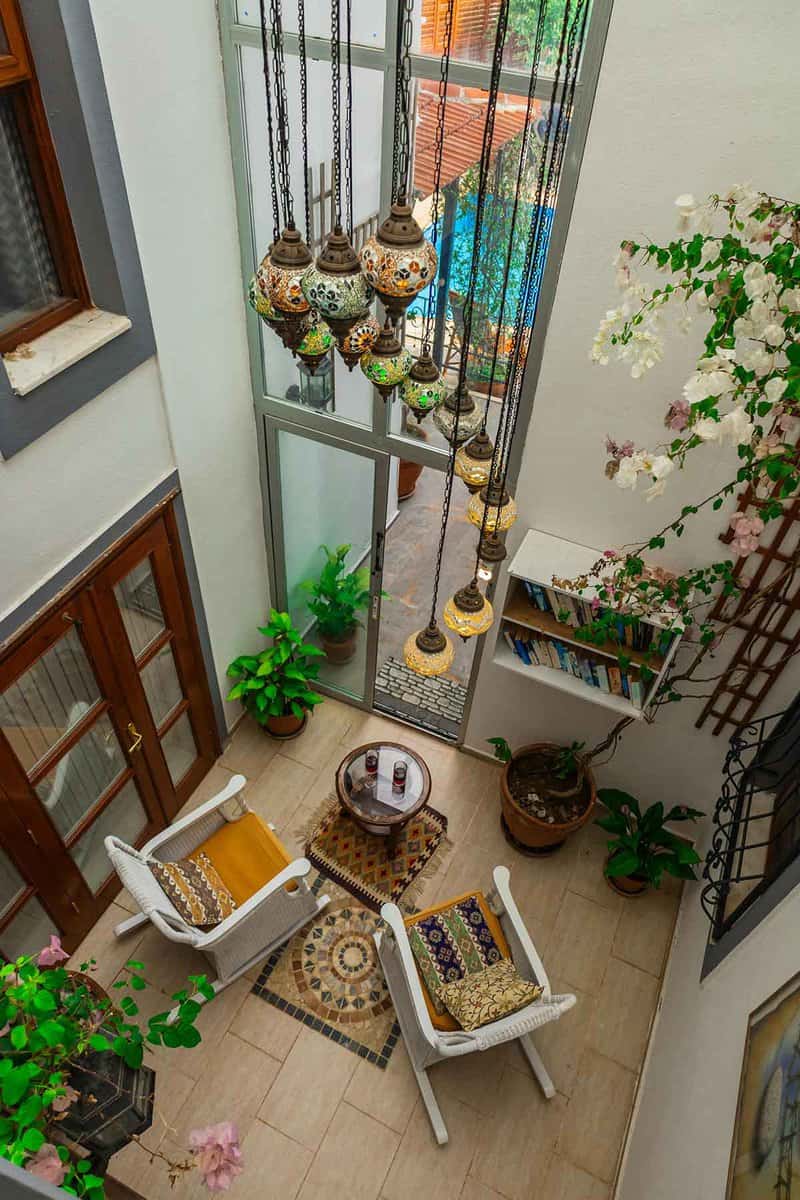
Key design elements include carved wooden doors, wrought iron light fixtures, and built-in niches or alcoves. Courtyards or patios often integrate with interior space through large, arched openings. These features combine to create a harmonious blend of indoor and outdoor living found in Spanish Colonial architecture.

See Also Eclectic Maximalist Interior Design

Signature Furnishings and Décor in Spanish Colonial Interior Design

Photo by Goodlot Dupwa

Spanish Colonial interior design features a thoughtful mix of materials and styles that create a warm and inviting atmosphere. It balances vintage elements with functional pieces, highlighting natural textures and traditional craftsmanship.

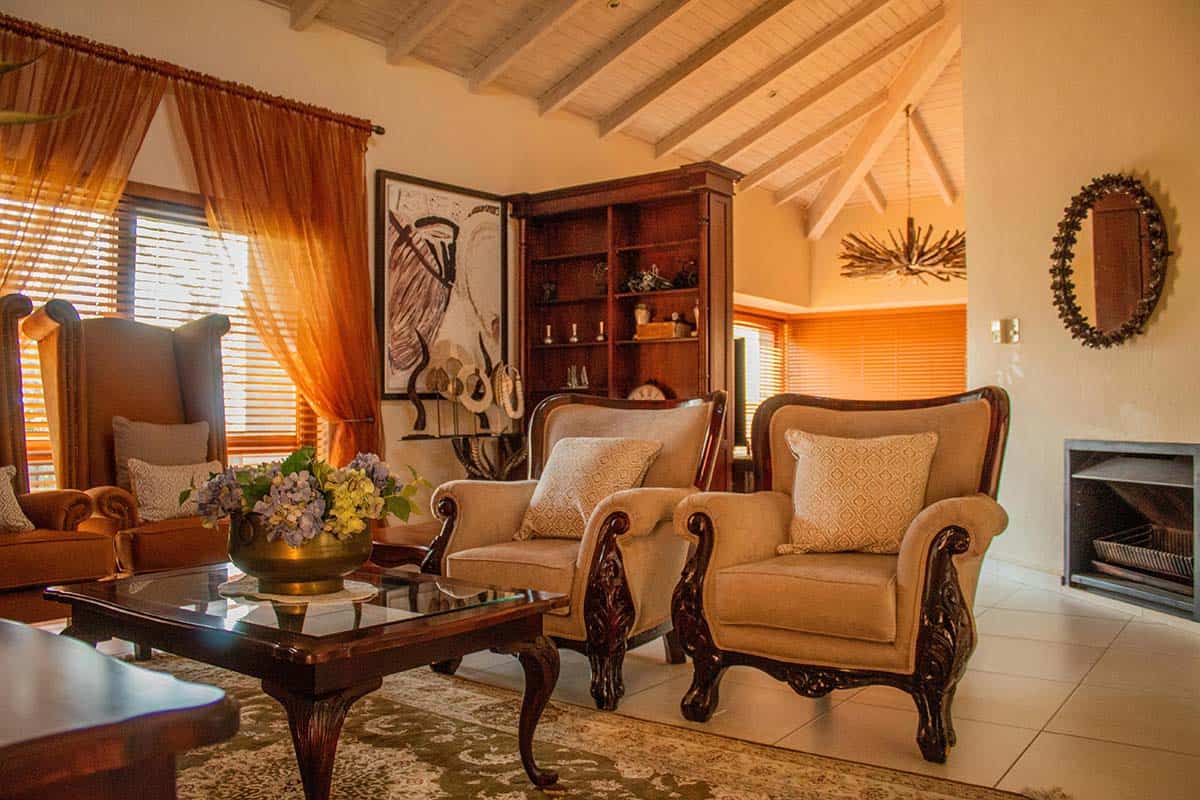
Furniture in Spanish Colonial interiors often showcases solid wood, especially dark-stained hardwoods like walnut or mahogany. Pieces tend to be robust and hand-carved, with simple lines combined with ornate details.

Common types include heavy wooden beds with turned posts, carved armoires, and leather-upholstered chairs. Wrought iron is frequently used in furniture accents such as bed frames and tables, adding strength and decorative interest.

The style embraces vintage and handcrafted looks but adapts well to modern interpretations by focusing on clean forms enhanced with traditional finishes. This approach supports both a historical connection and contemporary living needs.

3. Textiles and Patterns

Photo by Warren LeMay

Textiles play a significant role in Spanish Colonial interiors, contributing color and texture. Upholstery and window treatments often feature woven fabrics with geometric or floral patterns inspired by Mediterranean and Moorish designs.

Warm, earthy tones like terracotta, ochre, and deep reds dominate. Handwoven textiles, such as wool rugs and embroidered cushions, provide a tactile contrast to the hard surfaces of wood and stone.

Patterns rarely overwhelm the space; instead, they create visual interest through subtle repetition. Natural fibers are preferred due to their durability and the authentic feel they bring to the room.

4. Decorative Accents and Accessories

Photo by Joel Zar

Decorative accents emphasize craftsmanship and natural materials. Wrought iron pieces—such as chandeliers, wall sconces, and decorative grilles—are signature elements that add detail without appearing harsh.

Pottery and ceramics with handcrafted glazes often serve as table centerpieces or shelf decor. Terra cotta and glazed tiles contribute to the architectural aesthetic, often visible on floors or around fireplaces.

Accessories tend to be functional yet ornamental, like carved wooden chests and vintage mirrors with distressed finishes. These items echo the Spanish style’s blend of utility and artistry, reinforcing the welcoming environment typical of this design style.

Modern Interpretations in Spanish Colonial Interior Design

Video by House Envy | The Styled Abode

Modern Spanish Colonial interior design merges classic elements with updated aesthetics to create spaces that feel both authentic and fresh. This approach focuses on key architectural details and materials while adapting color palettes and layout to suit contemporary lifestyles.

Modern interpretations highlight features like plaster walls, wooden beams, and wrought iron accents as main focal points. These traditional elements are balanced with a neutral backdrop or a minimalist color palette to avoid overwhelming the space. For example, a living room might feature exposed wooden beams paired with simple, light-colored walls to emphasize texture without clutter.

Using patterned tiles in focused areas like kitchen backsplashes or entryways brings vibrant detail without dominating the room.

In regions like Southern California, where the style is popular, designers often marry indoor and outdoor living spaces to enhance the authentic feel. The result retains the historic charm while offering clean lines and open layouts typical of modern homes.

To adopt Spanish Colonial style, homeowners should start by emphasizing architectural features such as wrought iron light fixtures or ceiling fans and bold wooden furniture. Walls in soft plaster tones create a warm, textured base that contrasts well with bright, patterned tile accents.

A neutral color palette with earth tones—like terracotta, beige, and soft whites—keeps the space grounded. To avoid clutter, a minimalist approach to decor helps preserve the style’s elegance. Focus on key pieces like a carved wooden table or an ornate iron chandelier for visual interest.

See Also Chinese Interior Design

Spanish Colonial Interior Design: A Recap

Spanish Colonial interior design continues to captivate with its timeless blend of rustic elegance and historical charm. Rooted in centuries-old traditions, this design ethos remains relevant today through its seamless integration of natural materials, warm tones, and handcrafted details.

What sets modern Spanish Colonial interior design apart is its ability to honor these classic features while embracing contemporary sensibilities—creating spaces that feel both grounded and sophisticated.

Whether you’re drawn to its signature arches and textured walls or inspired by the rich patterns and vintage furnishings, Spanish Colonial style interior design offers a versatile and welcoming aesthetic.

FAQ

WhatsApp

Free Consultation

Call

+1-(646)933-7997

Scroll to Top