Landmarks of Pakistan

Picture of Sahar Khani

Sahar Khani

Writer / Contetn Creator
Faisal Mosque Pakistan architecture

Ever wondered which landmarks in Pakistan truly capture the essence of its rich history and diverse culture? As a traveler or cultural enthusiast, you deserve to explore Pakistan’s landmarks that tell the stories of this fascinating country in South Asia.

At Landmarks Architects, we know that every iconic landmark of Pakistan offers a glimpse into the nation’s past. From ancient ruins like Mohenjo-Daro to majestic national monuments like the Badshahi Mosque, these landmarks in Pakistan reflect the beauty and complexity of the city and the country.

Whether you’re walking through the historical streets of Lahore or admiring the breathtaking Faisal Mosque in Islamabad, each destination has its unique charm.

In this article, we will cover:

  • The must-see landmarks of Pakistan that highlight its diverse heritage
  • How do these Pakistani landmarks shape the cultural identity of the nation
  • A mix of ancient and modern national monuments you can’t afford to miss

Ready to start your adventure? Continue reading to discover the landmarks in Pakistan that will leave a lasting impression on your travels.

Badshahi Mosque historical site Lahore
Badshahi Mosque: A Majestic Landmark in Lahore Photo by Ahmad Tahir

Lahore Fort Mughal architecture
Lahore Fort: A Legacy of Power Photo by Muzaffar Bukhari

3 Most Famous Landmarks in Pakistan

Badshahi Mosque heritage site Pakistan
Badshahi Mosque: A Jewel of Pakistan’s History Photo by Idaudpota

Pakistan to numerous national monuments and iconic landmarnarratingate its rich history and cultural heritage. Among these, three stand out for their beauty, historical significance, and the number of visitors they attract.

These famous landmarks in Pakistan reflect the country’s diverse culture. From the ancient city of Lahore to other historic cities, each place shares a part of Pakistan’s story.

1. Badshahi Mosque

Badshahi Mosque Lahore Pakistan historic landmark
Badshahi Mosque: Majestic Mughal Architecture Photo by salman kazmi

The Badshahi Mosque is one of the largest mosques in Pakistan. It is a prime example of Mughal architecture. Built in 1671 by Mughal Emperor Aurangzeb, it is located in Lahore.

The mosque is known for its red sandstone and white marble inlays. Its grand courtyard holds thousands of worshippers. It has tall minarets, detailed domes, and fine artwork.

It stands across from the Lahore Fort, forming a beautiful view. As one of the most famous landmarks in Pakistan, it is a key part of the national monuments. This iconic landmark draws both locals and tourists.

The Badshahi Mosque is often featured in lists of top Pakistani landmarks. It shows the love of Mughal emperors for beauty and faith. It remains a proud symbol of Pakistan’s history and culture.

Video by Dr Furqan 360

2. Minar-e-Pakistan

Minar-e-Pakistan national monument Lahore
Minar-e-Pakistan: Symbol of Independence Photo by Umaimaumi

Minar-e-Pakistan is located in Lahore’s Iqbal Park. It marks the place where the Lahore Resolution was passed in 1940. This was a key step in the Pakistan Movement. The monument shows the demand for a separate nation for Muslims in India.

It is one of the most important national monuments in Pakistan.The tower was completed in 1968 and stands 70 meters tall.

Its design mixes Mughal and modern styles. The area has green gardens, perfect for walks and picnics. It is a favorite spot for visitors. As one of the top landmarks of Pakistan, it holds deep meaning. It reflects the fight for freedom and the dream of a new country.

This iconic landmark is a proud part of Pakistan’s history and Lahore’s past. Minar-e-Pakistan is among the most famous landmarks in Pakistan. It is often listed as one of the top Pakistan landmarks.

3. Mohenjo-Daro

Mohenjo-Daro ancient ruins Pakistan
Mohenjo-Daro: Indus Valley Civilization Landmark Photo by Benny Lin

Mohenjo-Daro is an ancient city in the Sindh province. It is a UNESCO World Heritage site and a key part of the Indus Valley Civilization. This civilization thrived around 2500 BCE. The city shows advanced urban planning and architecture for its time. The streets and drainage systems were well designed.

Visitors can explore the well-preserved ruins. Key sites include the Great Bath and many residential structures. These remnants offer insights into early human life and culture. As one of the most important landmarks of Pakistan, Mohenjo-Daro attracts history and archaeology enthusiasts.

It is often listed as one of the famous landmarks in Pakistan, highlighting the country’s rich past. This Pakistani landmark remains an important part of Pakistan’s cultural heritage.

Video by National Geographic

See Also Landmarks in Saudi Arabia

Historical Landmarks in Pakistan

Historic Shalimar Gardens Lahore
Shalimar Gardens: A Regal Retreat Photo by Waqas Afzal

Pakistan is home to many historical landmarks of Pakistan. These sites showcase the country’s rich cultural heritage. Notable Pakistan landmarks include the Lahore Fort, Shalimar Gardens, Ranikot Fort, and the Khyber Pass. Each one reflects the region’s unique architecture and historical significance.

As famous buildings in Pakistan, they attract visitors from around the world. These sites highlight Pakistan’s rich past and the enduring beauty of its heritage.

4. Lahore Fort

Lahore Fort historical landmark Pakistan
Lahore Fort: Mughal Glory Preserved Photo by Salman Rafique

The Lahore Fort is a symbol of Mughal architecture. Located in Lahore, it was built during Emperor Akbar’s reign in the 16th century. The fort is known for its red sandstone walls and detailed marble inlays. A key feature is the Sheesh Mahal or “Palace of Mirrors.”

It was a place where the Mughal emperors entertained guests. The fort has seen many rulers and reflects the growth of urban planning in Lahore.

As one of the most important landmarks of Pakistan, the Lahore Fort is recognized of the famous landmarks in Pakistan. Its status as a UNESCO World Heritage site highlights its historical importance and lasting cultural value.

Video by Alex Outhwaite

5. Shalimar Gardens

Shalimar Gardens Mughal heritage Lahore
Shalimar Gardens: A Mughal Masterpiece Photo by Muhammad Ashar

The Shalimar Gardens were built in the 17th century by Emperor Shah Jahan. They are in Lahore, Punjab, Pakistan. These gardens are a beautiful example of Mughal landscape design.

They feature flowing fountains, elegant terraces, and winding paths. The layout shows the Mughal emperors’ love for nature and beauty. The gardens have three levels, each symbolizing a part of paradise.

These green gardens were a quiet place for the Mughal court to relax. They blend art with nature, making them a true symbol of Pakistan’s historical landmarks. Today, they remain one of the most loved and celebrated landmarks of Pakistan.

6. Ranikot Fort

Ranikot Fort great wall of Sindh Pakistan
Ranikot Fort: The Great Wall of Sindh Photo by Adrian Leslie Lobo

Ranikot Fort, also known as the “Great Wall of Sindh,” is one of the largest forts in the world. Located in Sindh province, it was reconstructed in 1812 during the Talpur dynasty’s reign. The fort’s ramparts stretch over 31 kilometers, surrounding many structures.

The fort served as both a military stronghold and a center for commerce along trade routes. Its design blends with the natural landscape, showing advanced defense strategies.​

As one of the key landmarks of Pakistan, Ranikot Fort is an important landmark. It is also one of the famous landmarks in Pakistan, attracting visitors interested in the country’s architectural heritage.

7. Khyber Pass

Khyber Pass historic mountain pass Pakistan
Khyber Pass: Gateway Through History Photo by Mhtoori

The Khyber Pass is a famous mountain pass that connects South Asia and Central Asia. Located between Pakistan and Afghanistan, it has been an important trade route for centuries. The pass has seen many invasions and migrations, adding to its rich history.

Known for its rugged terrain, the Khyber Pass is surrounded by cliffs, which have sheltered many cultures. As one of the most historically significant landmarks of Pakistan, it combines natural beauty with deep history.

Its links to the British Empire highlight its importance in trade and military history. The Khyber Pass is a proud Pakistani landmark and one of the famous landmarks in Pakistan.

Modern Landmarks in Pakistan

Famous landmark Pakistan Monument
Pakistan Monument: A National Landmark Photo by Yaarahmadd

Pakistan is home to many modern landmarks that reflect its rich cultural history and architectural progress. These landmarks are not only tourist attractions but also symbols of national pride and identity.

8. Faisal Mosque

Faisal Mosque Islamabad Pakistan
Faisal Mosque: Icon of Modern Islamic Architecture Photo by Fawad4real

The Faisal Mosque, located in Islamabad, is the largest mosque in Pakistan. It was completed in 1986 and funded by King Faisal bin Abdulaziz of Saudi Arabia, after whom it is named. The mosque’s unique design was created by Turkish architect Vedat Dalokay.

It features an eight-sided concrete shell inspired by a Bedouin tent, unlike traditional domed mosques.

Four towering minarets, each about 90 meters tall, surround the mosque. The mosque sits against the Margalla Hills and can hold up to 100,000 worshippers, making it one of the largest mosques in the world. Its design blends traditional Islamic and modern architectural styles.

As an iconic landmark in Pakistan, the mosque attracts many visitors. People admire its white marble exterior and the calm atmosphere of its large prayer hall, especially when it’s lit up at night.

Video by The Tales Time

See Also 8 Most Beautiful Mosques in the World

9. Pakistan Monument

Pakistan Monument Islamabad landmark
Pakistan Monument: Symbol of Unity Photo by ZILL NIAZI

The Pakistan Monument is a national symbol in Islamabad. It opened in 2007 to represent the four provinces and three territories of Pakistan. Its flower shape symbolizes unity and growth among the country’s cultures.

The four large petals symbolize the provinces of Punjab, Sindh, Khyber Pakhtunkhwa, and Balochistan, while the three smaller petals represent the territories of Gilgit-Baltistan, Azad Kashmir, and the former Federally Administered Tribal Areas.

The carvings show the story of the All India Muslim League and the Pakistan Movement, adding historical value.

As one of the most iconic landmarks of Pakistan, the Pakistan Monument is a prominent landmark. It attracts visitors to learn about the nation’s history and culture. The surrounding park adds to the experience.

10. Mazar-e-Quaid

Mazar-e-Quaid Karachi Pakistan
Mazar-e-Quaid: Resting Place of the Founder Photo by Umair Naeem

Mazar-e-Quaid, also known as the Quaid-e-Azam’s Mausoleum, is located in Karachi. This mausoleum is the final resting place of Muhammad Ali Jinnah, the founder of Pakistan. Completed in 1971, the mausoleum features a prominent dome and is surrounded by lush green gardens.

The structure is built with white marble and showcases a blend of modern and traditional architectural styles. Inside the mausoleum, visitors can pay their respects to Jinnah and view a gallery dedicated to his life and contributions. The site attracts many tourists and locals alike, serving as a reminder of Pakistan’s founding principles and history.

Landmarks of Pakistan: A Recap

The landmarks of Pakistan reveal a journey through time, bridging ancient civilizations, Mughal grandeur, and modern nationhood. Whether you’re exploring Pakistan landmarks like the Badshahi Mosque or the Pakistan Monument, each site reflects the soul of Pakistan.

These iconic landmarks in Pakistan are more than attractions—they’re stories in stone, calling travelers to witness a rich legacy. Add them to your list for your next trip and experience Pakistan’s enduring pride and beauty.

FAQ

Article Rating
0.0/ 5.0
Be the first to rate this article
5 Star 0%
4 Star 0%
3 Star 0%
2 Star 0%
1 Star 0%
Your Impression
Rate Article

Leave a Comment

Your email address will not be published. Required fields are marked *

Your Rating *

Recent Post

Bohemian Eclectic Interior Design

Does your home feel too structured, sterile, or just not you? If you’re craving a space full of personality, warmth, and soul, you’re not alone.

You dream of a home that reflects your creative spirit—a place where every detail feels personal and inviting. But pulling off a layered, artistic look without it feeling cluttered can be tricky.

That’s where we step in. With deep roots in bohemian eclectic interior design, we’ll guide you through the world of:

  • Boho style basics and beyond
  • Elements that define modern bohemian style
  • How to mix and match pieces in bohemian interiors
  • Creating balance in modern bohemian interior design

Keep reading to learn how to master the bohemian interior design style—and transform your space into a true reflection of your bohemian style and lifestyle.

A vibrant, soulful home is closer than you think.

Defining Bohemian Eclectic Interior Design

Video by HOUSEofGreen

Bohemian eclectic interior design blends diverse styles, textures, and influences into a thoughtfully balanced space. It has a relaxed yet intentional approach, mixing vintage and modern pieces alongside natural materials to create a unique, personal environment. The style focuses on individuality while maintaining harmony.

Bohemian style is defined by its intentional layering of contrasting elements. It combines vibrant colors, varied patterns, and an array of textures. Unlike pure boho style, which can be more freeform and spontaneous, this approach is methodically mismatched but cohesive.

Natural materials like wood, rattan, and woven textiles are common, grounding the look with organic warmth. Furniture and decor in boho interior design often include vintage furniture or globally inspired pieces, enhancing the eclectic charm interior design seeks to achieve.

The result is a space that feels curated rather than chaotic, emphasizing comfort and creativity.

1. Key Elements and Themes

Photo by Maria Orlova

Key elements include layered textiles such as rugs, throws, and cushions, often with ethnic or tribal prints. Plants also play a significant role, adding life and a connection to nature. Lighting tends to be warm and soft, supporting a cozy atmosphere.

Modern bohemian design favors furniture with clean lines contrasted by decorative accessories that feature intricate details. Using a combination of old and new items prevents the space from feeling overly styled or sterile.

Overall, boho decor in this style balances expressive artistry with functional harmony, inviting individuality within a structured framework.

Color and Pattern Strategies in Bohemian Eclectic Interior Design

Photo by Charlotte May

Bohemian eclectic interior design relies on intentional choices of color and pattern to create a warm and inviting atmosphere. It emphasizes layering textures and combining vibrant hues with natural elements to maintain balance and depth.

In modern bohemian design, mixing colors and textures is key to achieving a unique style. Rich, earthy tones like terracotta, mustard, and deep greens often form the base palette. These can be complemented by jewel tones such as sapphire or ruby to add vibrancy.

Texture is essential—materials like woven wool, rattan, and leather introduce tactile interest.

To avoid visual clutter, it’s effective to group similar textures together while contrasting them with smoother surfaces like lacquered wood or glass. This layering approach allows for a dynamic yet cohesive look. Many elements are sourced from vintage shops to enhance bohemian decor with character and authenticity.

2. Patterns and Prints Integration

Photo by Matheus Bertelli from Pexels

Bold patterns are a signature feature of boho interior design, drawing inspiration from global cultures. Integrating diverse prints such as tribal motifs, florals, and geometric shapes helps create an eclectic bohemian feel.

The key lies in mixing patterns of different scales, for instance, pairing a large-patterned rug with smaller, detailed cushions.

To create harmony, patterns often repeat color tones found elsewhere in the room. They thrive when combined with neutral backdrop walls or furniture, preventing the space from feeling overwhelming. This use of pattern layering is fundamental to inserting bohemian elements that express personality without sacrificing flow.

3. Balancing Vibrancy with Neutral Tones

Photo by Rachel Claire

While bohemian spaces frequently embrace bold colors and patterns, balancing them with neutral tones is crucial. Walls painted in soft beige, ivory, or muted gray provide a calm canvas that enhances the vibrancy of textiles and accessories. Minimalistic artwork and strategically placed furniture help ground the design.

Neutral tones soften the intensity of eclectic boho decor and allow natural elements like plants and wooden accents to stand out. This balance between colorful energy and understated grounding supports a warm and inviting atmosphere typical of bohemian aesthetic.

It also ensures longevity and ease of updating the interior design style over time.

See Also Eclectic Maximalist Interior Design

Furniture and Decor Selection in Bohemian Eclectic Interior Design

Photo by Jonathan Borba

Selecting furniture and decor for a bohemian eclectic interior involves balancing varied styles, textures, and colors to create an inviting space. It emphasizes mixing natural and artistic elements that reflect personal style while maintaining harmony through thoughtful layering and carefully chosen accents.

Eclectic furniture often blends natural elements like wood and rattan with bold materials. Pieces should feel unique yet cohesive, incorporating essential elements such as earthy tones and rich jewel tones to build warmth. Combining floor cushions with low-profile sofas adds comfort and an inviting atmosphere.

Key furniture styles include mid-century modern chairs paired with vintage wooden tables. Mixing hard textures with soft fabrics featuring vibrant patterns enhances the eclectic aesthetic. Prioritizing pieces that offer both function and artistic flair supports the relaxed, personalized nature of boho spaces.

4. Layering with Vintage and Modern

Photo by Tamilles Esposito

Layering involves combining vintage and modern items to enrich visual interest without clutter. A weathered leather armchair might sit alongside a sleek metal light fixture, connecting past and present through form and texture.

Textiles such as throws, rugs, and pillows with colorful, intricate patterns provide warmth and depth. Earthy and jewel tones work well together here, grounding the space while allowing for pops of brightness. Thoughtful layering creates nuanced spaces that invite calmness and express individuality.

5. Artwork and Decorative Accessories

Photo by Rachel Claire

Artwork and accessories finalize the eclectic boho look by injecting personality and character. Handcrafted wall hangings, woven baskets, and ethnic prints enhance the bohemian vibe, while abstract paintings add modern contrast.

Decorative accents should highlight natural materials like clay, wood, and woven fibers, supporting a tactile connection to the environment. Colorful throw pillows and unique trinkets provide variety, blending texture and pattern to maintain the eclectic nature of the room while celebrating personal style.

Finishing Touches and Styling Tips

Video by The Design Lounge

To complete a Bohemian Eclectic interior, layering textures and patterns is essential. Adding brightly colored throws, pillows, and wall hangings creates a rich, relaxed atmosphere. These essential elements often feature bold prints or ethnic motifs that contribute to the overall aesthetic.

Using one-of-a-kind accessories, such as vintage finds or handcrafted items, enhances the space’s personality. It is effective to combine furniture styles from different eras and cultures to keep the look unique and inviting. Mixing metals, wood, and textiles adds depth and visual interest.

Plants are vital in Bohemian Eclectic design. They bring natural warmth and softness that balance the vibrant patterns and colors. Varieties like ferns, succulents, and trailing plants work well in this style.

See Also Living Room Interior Design Trends 2025

Bohemian Eclectic Interior Design: A Recap

In conclusion, embracing bohemian interior design allows you to create a home that’s both expressive and deeply personal. Whether you’re drawn to the carefree charm of boho style or the refined touch of modern bohemian style, the key is to blend textures, colors, and meaningful pieces with intention.

By following the principles of modern bohemian interior design, you can design a space that feels warm, layered, and uniquely yours. From cozy textiles to eclectic vintage finds, bohemian interiors offer endless ways to reflect your individuality. Let the bohemian interior design style guide your creativity—and step confidently into a home that celebrates your true bohemian style.

FAQ

Dark Academia Bedroom Interior Design

Struggling to turn your bedroom into a cozy, inspiring retreat? You’re not alone—many seek a space that reflects both their intellectual depth and personal style, but don’t know anything about dark academia bedroom interior design.

If you’ve ever dreamed of a room that feels like a page from a classic novel—moody, elegant, and timeless—you’re the hero we’re talking to.

With years of experience in interior design and a passion for vintage-inspired spaces, we’re here to guide you through the transformation.

In this article, you’ll discover how to create a Dark Academia bedroom by focusing on:

  • Signature color palettes
  • Essential furniture selections
  • Textile and lighting choices
  • Curated decor and artwork

Keep reading to unlock the secrets to designing a space that inspires reflection, creativity, and calm.

By the end, you’ll have a bedroom that’s not just beautiful—it’s a sanctuary for your mind, soul, and aesthetic sensibilities.

Key Elements of Dark Academia Interior Bedroom Design

Video by Steffi | Moda Misfit

A Dark Academia bedroom focuses on carefully chosen colors, furniture, and textiles that evoke a scholarly, vintage atmosphere. These elements create a cozy, intellectual environment through specific shades, classic shapes, and textured fabrics.

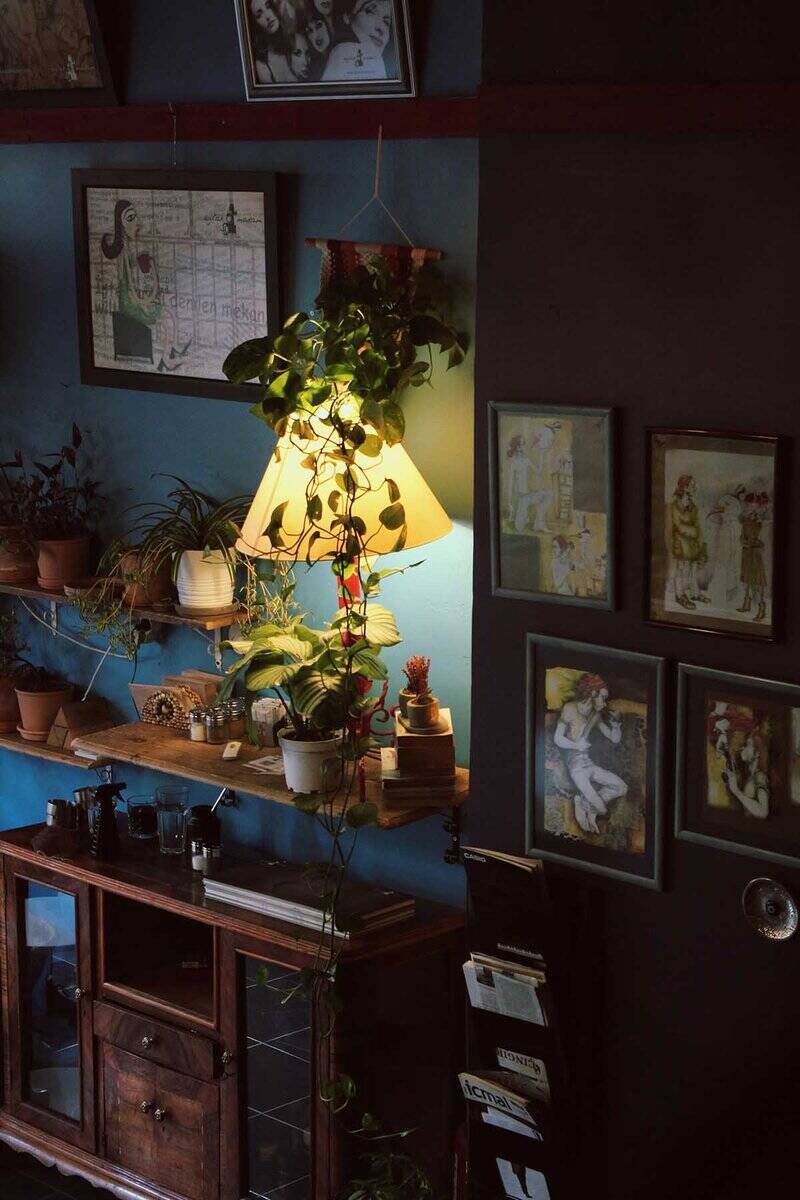
Dark Academia color schemes center on muted, deep tones with a vintage feel. Common colors include deep burgundy, forest green, navy blue, and rich browns. These are often paired with accents of cream or beige to soften the look without sacrificing warmth.

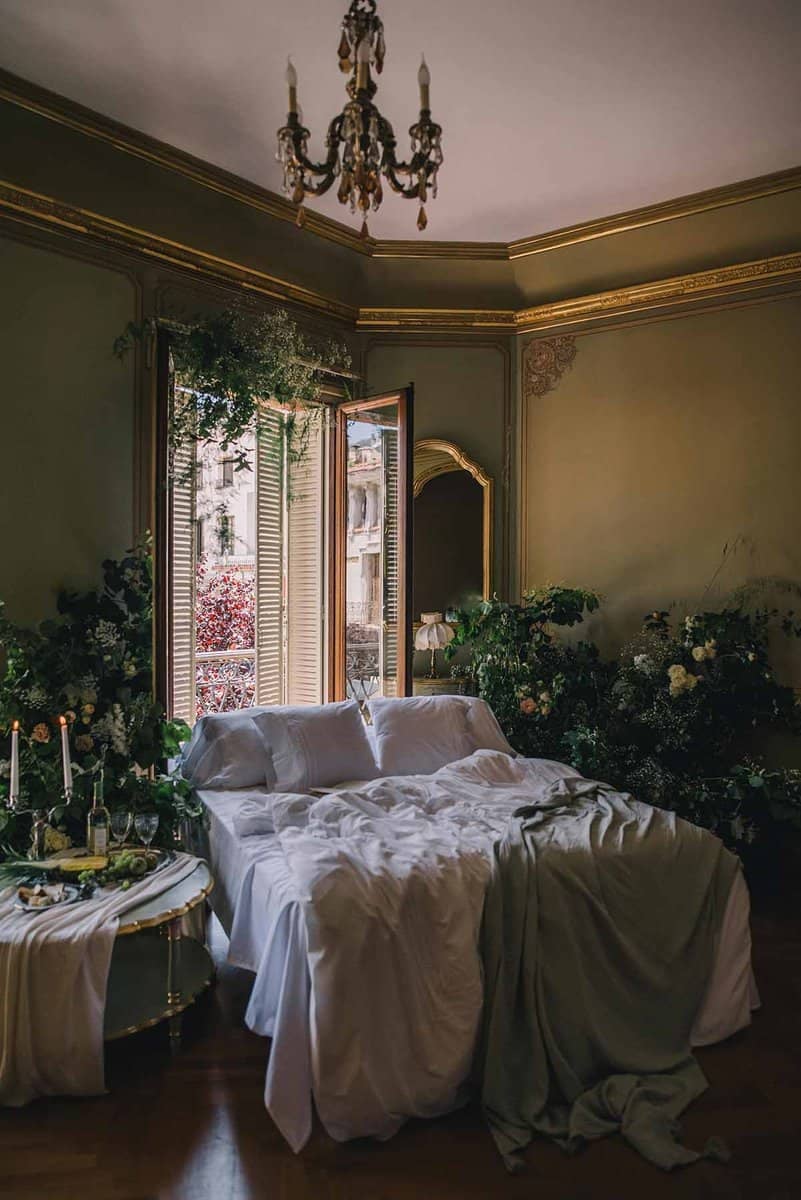
Muted gold or brass tones can be used in decor or fixtures to add subtle elegance. Walls might feature wallpaper with intricate patterns or dark wood paneling to enhance the academic vibe. Using these colors thoughtfully across walls, furniture, and accessories ties the room together under the dark academia aesthetic.

1. Essential Furniture Selection

Photo by Max Vakhtbovycn

Furniture in a Dark Academia bedroom emphasizes timeless, classic styles with a scholarly feel. Pieces made of dark-stained wood dominate, such as vintage desks, bookcases, and bed frames.

A sturdy wooden desk with drawers provides a workspace that fits the intellectual theme. A high-backed armchair or tufted leather chair complements reading areas. Furniture tones remain muted, matching the color palette to maintain unity.

Avoid modern or minimalistic styles; instead, opt for ornate detailing like carved legs or brass pulls that reflect an old-world charm. Well-chosen furniture anchors the room in the dark academia aesthetic and encourages both study and relaxation.

2. Textile and Fabric Choices

Photo by Pușcaș Adryan

Textiles add depth and tactile interest. Heavy fabrics such as velvet, tweed, or wool are preferred, often in dark or earthy tones consistent with the room palette. Velvet cushions, plaid throws, or wool blankets create a warm, textured feel.

Window treatments like thick curtains or drapes in deep colors help block light and add to the cozy ambiance. Rugs in oriental or Persian-inspired patterns reinforce the vintage scholarly mood while softening floors.

Bedding should be layered with neutral sheets, dark duvet covers, and patterned blankets, balancing comfort and style. These fabric choices are essential to completing the Dark Academia bedroom decor for a lived-in, intellectual space.

See Also Interior Wall Design

Choosing Lighting for a Dark Academia Atmosphere

Photo by Clay Banks on Unsplash

Lighting defines the mood and enhances the dark academia style in a bedroom. Soft, warm tones, carefully placed fixtures, and antique-inspired details create an inviting yet mysterious environment. Effective lighting combines subtle ambient sources with focused accents and vintage pieces for authenticity.

Ambient lighting should provide a gentle, diffused glow that complements the dark color palette. Overhead bright lights are avoided to maintain the dark academia vibes. Instead, floor lamps or table lamps with warm-toned bulbs create cozy illumination.

Using lampshades in deep green, brown, or bronze hues further softens the light. Dimmer switches allow control over brightness, enabling the room to shift from practical to moody. Warm whites around 2700K replicate candlelight’s softness without harshness.

This type of lighting serves as the focal point for a dark academia space, balancing shadow and light to highlight dark decor like rich wood furniture or velvet drapes.

3. Accent and Task Lighting

Photo by Max Vakhtbovycn

Accent lighting enhances specific items that contribute to the academia bedroom’s intellectual feel, such as antique book collections or vintage globes. Wall sconces with ornate designs in brass or bronze can frame key areas, creating subtle focal points.

For task lighting, classic desk lamps with adjustable arms help maintain functionality without compromising the dark aesthetic. These lamps often feature fabrics or metals that blend into the room’s palette.

Layering task and accent lighting ensures practicality during reading or studying while reinforcing the moody atmosphere. It invites both relaxation and focus in an academia-inspired setup.

Lighting fixtures rooted in historical or classical styles strengthen the authenticity of a dark academia bedroom. Chandeliers with candle-like bulbs or aged metals add a refined and scholarly touch.

Brass, bronze, and wrought iron finishes are common materials that connect to the era dark academia references. These fixtures often show intricate craftsmanship, making them decorative centerpieces within the room.

Including items like antique table lamps, wall sconces, or even replicated typewriter light stands aligns the lighting scheme with the overall dark decor theme. These elements emphasize the academic and vintage spirit central to dark academia design.

Curating Decor and Artwork in Dark Academia Bedroom Interior Design

Video by Decorants

Creating a dark academia bedroom involves carefully selecting pieces that underline the aesthetic’s moody elegance and intellectual vibe. Attention to literary elements, artwork with gothic or classic flair, and antique objects brings texture and depth to the space while maintaining a cohesive color palette.

Classic literature is a core element, best represented by well-worn books displayed on wooden shelves or stacked on a vintage desk. Leather-bound volumes with gold embossing add authenticity and visual interest.

Accessories like brass bookends, quill pens, and old-fashioned writing tools reinforce the academic atmosphere.

Incorporating items such as globes, vintage typewriters, or scientific models enhances the feeling of scholarly pursuits. A chaise lounge near a window with natural light invites reading and reflection. The color palette here leans toward deep purples, navy blue, and earth tones that complement moody wood furniture.

4. Gallery Walls and Art Selection

Photo by Minh Phuc

Artwork should reflect gothic architecture, classic themes, or dark moody aesthetics. Wooden frames in black or walnut tones work best to frame portraits of historical figures, antique maps, or vintage botanical prints. Arranging art in a structured gallery wall adds focus and sophistication.

Using deep accent wall colors, such as navy blue or muted burgundy, behind the gallery heightens drama without overpowering natural light or fairy lights. This method balances the room’s darkness, prevents a closed-in feel, and enhances cozy elegance.

Personal touches such as handwritten notes or small framed quotes lend character.

5. Incorporating Antique Objects

Photo by Clay Banks on Unsplash

Antique objects are key elements for authenticity and texture. Items like brass candlesticks, ornate mirrors, old clocks, and vintage desk lamps enrich the moody aesthetic. Wooden furniture, particularly pieces with carved details or worn patinas, anchors the room with classic warmth.

Placing these objects strategically on shelves, desks, or side tables maintains balance and prevents clutter. Combining dark metals with rich wood tones supports the deep, somber palette. These touches complement both the intellectual theme and subtle gothic influences often found in dark academia interiors.

See Also 1930s Interior Design

Dark Academia Bedroom Interior Design: A Recap

Designing a Dark Academia bedroom is about more than just aesthetics—it’s about crafting a space that evokes depth, intellect, and a timeless sense of calm. By combining rich color palettes, vintage furnishings, tactile fabrics, and moody lighting, this style offers a unique environment where scholarly charm meets cozy retreat.

Every element, from antique decor to layered textiles, works together to create a personal haven that feels both inspiring and restorative. Whether you’re reading classic literature, writing by candlelight, or simply unwinding in a warm, contemplative atmosphere, a Dark Academia bedroom invites you to slow down and savor the art of thoughtful living.

FAQ

Spanish Colonial Interior Design

Dreaming of a home that feels both timeless and warm—but not sure how to get there? You’re not alone. Many homeowners crave a space that reflects both history and comfort without sacrificing style.

If you’ve ever felt overwhelmed by soulless, modern trends, this guide is for you. You’re the kind of person who values character, tradition, and authenticity.

We’re here to help. With a deep understanding of design heritage and modern lifestyle needs, we’ll guide you through creating a space inspired by Spanish Colonial style interior design.

Here’s the plan:

  • Explore the roots of Spanish Colonial design
  • Identify key elements like texture, color, and materials
  • Learn how to blend old-world charm with modern living

Keep reading to discover how modern Spanish Colonial interior design can transform your home into a rich, welcoming sanctuary.

By the end, you’ll have a clear vision and actionable tips to create a home full of history, warmth, and timeless beauty.

Defining Features of Spanish Colonial Interior Design


Video by HOME DECOR 101

Spanish Colonial interior design centers on natural materials, warm colors, and distinctive architectural details. It balances historic craftsmanship with functional elements to create spaces that feel both inviting and timeless.

Emphasis on texture, light, and structural form shapes the look found in traditional Spanish colonial homes and modern Spanish style adaptations.

Spanish Colonial style originated in the 16th century with Spanish settlers in the Americas. It draws heavily from Mediterranean and Moorish design, blending Spanish craftsmanship with indigenous materials. This heritage is evident in the use of hand-painted tiles, wrought iron, and carved woodwork.

The influence extends to iconic regions like Santa Barbara, where Spanish Colonial architecture shaped local design identity. These origins inform the style’s emphasis on detailed woodworking, terracotta flooring, and ornamental ironwork, all key elements in authentic Spanish style homes.

1. Color Palettes and Materials

Photo by Emre Gencer

Color palettes in Spanish Colonial interiors favor warm, earthy tones like terracotta, ochre, and deep reds. White or off-white stucco walls serve as neutral backdrops, enhancing the warmth of these colors. Dark wood, often in exposed beams and heavy furniture, contrasts with lighter walls to add depth.

Materials are natural and tactile, including terra-cotta tile floors, plastered walls, and iron accents. Textured fabrics like wool or leather complement the rustic feel. This material selection supports the style’s focus on durability and handcrafted detail.

2. Architectural Elements

Photo by Warren LeMay

Architecturally, Spanish Colonial interiors showcase soft arches, vaulted ceilings, and thick stucco walls. Arches frame doorways and windows, lending softness and elegance. Columns, often simple and robust, provide structural and decorative function.

Key design elements include carved wooden doors, wrought iron light fixtures, and built-in niches or alcoves. Courtyards or patios often integrate with interior space through large, arched openings. These features combine to create a harmonious blend of indoor and outdoor living found in Spanish Colonial architecture.

See Also Eclectic Maximalist Interior Design

Signature Furnishings and Décor in Spanish Colonial Interior Design

Photo by Goodlot Dupwa

Spanish Colonial interior design features a thoughtful mix of materials and styles that create a warm and inviting atmosphere. It balances vintage elements with functional pieces, highlighting natural textures and traditional craftsmanship.

Furniture in Spanish Colonial interiors often showcases solid wood, especially dark-stained hardwoods like walnut or mahogany. Pieces tend to be robust and hand-carved, with simple lines combined with ornate details.

Common types include heavy wooden beds with turned posts, carved armoires, and leather-upholstered chairs. Wrought iron is frequently used in furniture accents such as bed frames and tables, adding strength and decorative interest.

The style embraces vintage and handcrafted looks but adapts well to modern interpretations by focusing on clean forms enhanced with traditional finishes. This approach supports both a historical connection and contemporary living needs.

3. Textiles and Patterns

Photo by Warren LeMay

Textiles play a significant role in Spanish Colonial interiors, contributing color and texture. Upholstery and window treatments often feature woven fabrics with geometric or floral patterns inspired by Mediterranean and Moorish designs.

Warm, earthy tones like terracotta, ochre, and deep reds dominate. Handwoven textiles, such as wool rugs and embroidered cushions, provide a tactile contrast to the hard surfaces of wood and stone.

Patterns rarely overwhelm the space; instead, they create visual interest through subtle repetition. Natural fibers are preferred due to their durability and the authentic feel they bring to the room.

4. Decorative Accents and Accessories

Photo by Joel Zar

Decorative accents emphasize craftsmanship and natural materials. Wrought iron pieces—such as chandeliers, wall sconces, and decorative grilles—are signature elements that add detail without appearing harsh.

Pottery and ceramics with handcrafted glazes often serve as table centerpieces or shelf decor. Terra cotta and glazed tiles contribute to the architectural aesthetic, often visible on floors or around fireplaces.

Accessories tend to be functional yet ornamental, like carved wooden chests and vintage mirrors with distressed finishes. These items echo the Spanish style’s blend of utility and artistry, reinforcing the welcoming environment typical of this design style.

Modern Interpretations in Spanish Colonial Interior Design

Video by House Envy | The Styled Abode

Modern Spanish Colonial interior design merges classic elements with updated aesthetics to create spaces that feel both authentic and fresh. This approach focuses on key architectural details and materials while adapting color palettes and layout to suit contemporary lifestyles.

Modern interpretations highlight features like plaster walls, wooden beams, and wrought iron accents as main focal points. These traditional elements are balanced with a neutral backdrop or a minimalist color palette to avoid overwhelming the space. For example, a living room might feature exposed wooden beams paired with simple, light-colored walls to emphasize texture without clutter.

Using patterned tiles in focused areas like kitchen backsplashes or entryways brings vibrant detail without dominating the room.

In regions like Southern California, where the style is popular, designers often marry indoor and outdoor living spaces to enhance the authentic feel. The result retains the historic charm while offering clean lines and open layouts typical of modern homes.

To adopt Spanish Colonial style, homeowners should start by emphasizing architectural features such as wrought iron light fixtures or ceiling fans and bold wooden furniture. Walls in soft plaster tones create a warm, textured base that contrasts well with bright, patterned tile accents.

A neutral color palette with earth tones—like terracotta, beige, and soft whites—keeps the space grounded. To avoid clutter, a minimalist approach to decor helps preserve the style’s elegance. Focus on key pieces like a carved wooden table or an ornate iron chandelier for visual interest.

See Also Chinese Interior Design

Spanish Colonial Interior Design: A Recap

Spanish Colonial interior design continues to captivate with its timeless blend of rustic elegance and historical charm. Rooted in centuries-old traditions, this design ethos remains relevant today through its seamless integration of natural materials, warm tones, and handcrafted details.

What sets modern Spanish Colonial interior design apart is its ability to honor these classic features while embracing contemporary sensibilities—creating spaces that feel both grounded and sophisticated.

Whether you’re drawn to its signature arches and textured walls or inspired by the rich patterns and vintage furnishings, Spanish Colonial style interior design offers a versatile and welcoming aesthetic.

FAQ

WhatsApp

Free Consultation

Call

+1-(646)933-7997

Scroll to Top